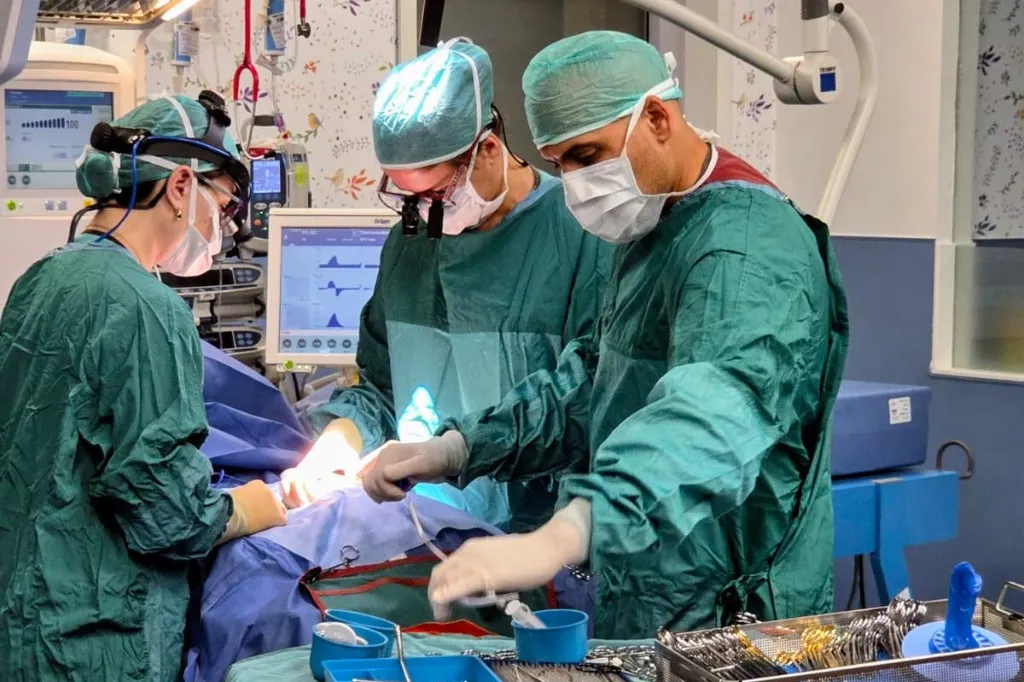









تقنية “مستشعر ميكانيكي” جديدة تتتبع سلوك الخلايا السرطانية وتتنبأ بانتشارها
علماء إسرائيليون يكشفون عن تقنية "مستشعر ميكانيكي" لتتبع سلوك الخلايا السرطانية


علماء إسرائيليون يكشفون عن تقنية "مستشعر ميكانيكي" لتتبع سلوك الخلايا السرطانية
تسرب غاز أحادي أكسيد الكربون يشتبه به يدخل 55 طفلاً الحضانة في القدس، وحال رضيعين حرجة. السلطات تحقق في الأمر.
بقلم بيساخ بنسون • 19 يناير 2026
القدس، 19 يناير 2026 (TPS-IL) — نُقل 55 طفلاً إلى المستشفى يوم الاثنين بعد استنشاقهم على ما يبدو مادة سامة في روضة أطفال خاصة في القدس، فيما وصفت حالة رضيعين بأنها حرجة. وتشتبه السلطات في تعرضهم لأول أكسيد الكربون، وهو غاز عديم اللون والرائحة يمكن أن يكون خطيراً بشكل خاص في الأماكن المغلقة.
وُجد الرضيعان المصابان بجروح خطيرة، وكلاهما يبلغ من العمر أربعة أشهر، فاقدين للوعي وبدون نبض. وقامت فرق الطوارئ بإجراء إنعاش قلبي رئوي مكثف قبل نقلهما إلى مستشفيي شعاري تسيديك وهاداسا جبل سكوبس. كما تم نقل الأطفال الآخرين، الذين تتراوح أعمارهم بين أربعة أشهر وثلاث سنوات، لتقييم طبي، ويعاني بعضهم من ضيق في التنفس.
تتركز التكهنات حول سبب الحادث على نظام تدفئة معيب. وكانت الروضة تعمل بدون ترخيص في منزل خاص، وأفادت تقارير إعلامية إسرائيلية أن الشرطة احتجزت ثلاثة من مقدمي الرعاية لاستجوابهم.
وقال الدكتور مناحيم إستريك، المتطوع في نجمة داود الحمراء (MDA): "كان هناك عشرات الأطفال في المبنى. بدأنا في إجراء الفحوصات وتقديم الرعاية الطبية للأطفال أثناء تحميلهم في سيارات الإسعاف التابعة لنجمة داود الحمراء ووحدات العناية المركزة ونقلهم إلى المستشفيات في المدينة لمزيد من العلاج الطبي".
وصف المسعف في نجمة داود الحمراء، نداف طيب، المشهد بأنه "حادث خطير". وقال: "تم استدعاؤنا إلى الموقع لعلاج طفل يبلغ من العمر أربعة أشهر وُجد فاقداً للوعي، وبدون نبض، ولا يتنفس. بدأنا بتقديم العلاج الطبي، والذي شمل إجراء الإنعاش القلبي الرئوي والنقل، ثم عدنا لعلاج طفل آخر في نفس الحالة. سارعنا إلى الموقع بقوات كبيرة من نجمة داود الحمراء التي وصلت في سيارات الإسعاف ومركبات العناية المركزة وبدأت في نقل جميع الأطفال الذين كانوا هناك. فرق نجمة داود الحمراء موجودة في الموقع ومستعدة لتقديم العلاج الطبي إذا لزم الأمر".
لم تكشف التقييمات الأولية من قبل إدارة الإطفاء والإنقاذ في القدس ووحدة المواد الخطرة عن أي مواد سامة في الموقع. وقال متحدث باسم الإدارة: "بعد الفحص من قبل أفراد الإطفاء والإنقاذ، لا يوجد مؤشر على وقوع حادث مواد خطرة".
وشددت أورلي سيلفينغر، الرئيس التنفيذي لمنظمة بيتيرم لسلامة الأطفال، على المخاطر التي يتعرض لها الأطفال. وقالت: "الحادث المؤسف الذي وقع هذا الصباح في القدس مقلق بشكل خاص نظراً لأن الأطفال لا يستهلكون مواد خطرة عن قصد، بل من خلال التعرض العرضي. نحن في فصل الشتاء، حيث يزيد التدفئة من خطر التسمم. استخدموا أجهزة تدفئة آمنة مثل مكيفات الهواء أو المشعات، وتأكدوا من التهوية حتى عند تدفئة الغرفة. أناشد الآباء: لا تقولوا 'لن يحدث لي'. تقع مسؤولية سلامة أطفالنا علينا وعلى البالغين من حولهم".
علماء إسرائيليون في معهد وايزمان يحددون خلايا مجددة للأنسجة لأول مرة. هذا الاختراق يمنح أملاً جديداً في منع السرطان.
بحث إسرائيلي جديد يكشف عن معاناة نفسية مستمرة لدى ناجين من سرطان الأطفال وأهاليهم
علماء إسرائيليون يحددون "نقاط ضعف" مبكرة في الحمض النووي قد تكشف عن سرطان الثدي قبل سنوات من بدايته. تقدم هذه الدراسة التي أجرتها الجامعة العبرية أملاً جديداً.
بقلم بيساخ بنسون وعومر نوفوسيلسكي • 12 يناير 2026
القدس، 12 يناير 2026 (TPS-IL) — قد تظهر بعض خلايا الثدي لدى النساء علامات على الإصابة بالسرطان مستقبلاً قبل سنوات من ظهور أي ورم، مما قد يساعد الأطباء على اكتشاف سرطان الثدي في وقت مبكر جداً – أو ربما حتى منع تطوره، حسبما أعلنت الجامعة العبرية في القدس.
وفقاً لمنظمة الصحة العالمية، يتم تشخيص إصابة واحدة من كل عشرين امرأة بسرطان الثدي على مستوى العالم.
فتح فريق من العلماء الإسرائيليين والأمريكيين نافذة كانت مخفية سابقاً على كيفية بدء سرطان الثدي لدى النساء اللواتي يحملن طفرات BRCA1 أو BRCA2. تُظهر الأبحاث أنه حتى قبل ظهور الأورام، تُظهر خلايا الثدي لدى حاملات طفرات BRCA بالفعل نمطاً مميزاً من “بقع الضرر” في الحمض النووي تشبه إلى حد كبير أنماط تكسر الحمض النووي التي تُرى في الخلايا السرطانية.
قادت الدراسة طالبة الدكتوراه سارة أوستر فلايسمان تحت إشراف البروفيسور رامي عقيلان والدكتور يوتام درير في كلية الطب بالجامعة العبرية، بالتعاون مع الدكتورة فيكتوريا سيووالدت والدكتور مارك لابارغ من مركز أبحاث مدينة الأمل في كاليفورنيا. باستخدام التسلسل من الجيل التالي، قام الفريق برسم خرائط لتكسرات شريطي الحمض النووي (DSBs) عبر جينومات الخلايا الظهارية الثديية غير الخبيثة من نساء يحملن طفرات جينية عالية الخطورة.
وجد الفريق أن نمط الضرر في الحمض النووي في هذه الخلايا كان مختلفاً جداً عما رأوه في الخلايا السليمة، وبشكل مفاجئ، بدا مشابهاً جداً للأنماط الموجودة في خلايا سرطان الثدي. كانت مناطق الحمض النووي الأكثر تأثراً هي تلك المرتبطة بالسرطان، وخاصة تلك التي تكون نشطة جداً في الخلية بشكل طبيعي، مما يجعلها أكثر عرضة للإصابة بالسرطان إذا تعرضت للضرر.
تم نشر الدراسة مؤخراً في مجلة Cell Death & Disease التي تخضع لمراجعة الأقران.
قال البروفيسور عقيلان لخدمة الصحافة الإسرائيلية إن أهمية الدراسة تكمن في عدم الاستقرار الخلوي المبكر، قبل السرطان.
وقال: “اكتشافنا الرئيسي هو أن الخلايا الظهارية الثديية غير الخبيثة من النساء المعرضات للخطر تظهر بالفعل ‘كسروم’ مميز وغير عشوائي مقارنة بالضوابط ذات المخاطر المتوسطة، والأهم من ذلك، أن هذا الكسروم يشبه جزئياً النمط الذي يُرى في خلايا سرطان الثدي”. يشير الكسروم إلى النمط الكامل أو خريطة تكسرات الحمض النووي عبر جينوم الخلية.
وأضاف عقيلان: “يشير هذا إلى أن العمليات المتعلقة بعدم استقرار الجينوم تحدث في وقت مبكر جداً، قبل وجود أي ورم، وأن هذه الضعفات المبكرة يمكن أن تعيد تشكيل مكان تراكم تكسرات الحمض النووي”.
شدد الباحثون على أن أنماط تكسر الحمض النووي قابلة للكشف في متبرعات شابات خاليات من السرطان، بما في ذلك النساء دون سن 35 عاماً. وقال عقيلان: “هذا يعني أن التحول قابل للكشف قبل وقت طويل من السرطان السريري، ومن المحتمل بسنوات، وربما عقود، قبل التشخيص لدى الحاملات اللواتي يصبن بالمرض لاحقاً”. في حين أن الدراسة لا تقدم مهلة زمنية دقيقة لبدء السرطان، إلا أنها تتحدى الرأي التقليدي بأن أحداث فقدان التغاير اللاقحي (LOH) هي الخطوة الأولى في الخباثة.
تفتح الدراسة آفاقاً محتملة للكشف المبكر.
قال عقيلان لـ TPS-IL: “يقدم هذا العمل رؤى حاسمة حول التغيرات الجزيئية المبكرة التي تحدث في خلايا الثدي لدى النساء المعرضات للخطر. إن فهم هذه الأحداث الأولية يسمح لنا بتصور استراتيجيات جديدة لتحديد السرطان في مراحله المبكرة والأكثر قابلية للعلاج”.
لاحظ درير أن هذه الأنماط “يمكن أن تساعدنا يوماً ما في تطوير مؤشرات حيوية أكثر دقة، بحيث لا تتم مراقبة النساء المعرضات للخطر بشكل أكثر فعالية فحسب، بل يتم أيضاً تقديم تدخلات لهن بناءً على البيولوجيا الفعلية لخلاياهن”.
بينما تركز الدراسة الحالية على أنسجة الثدي، قال عقيلان إن الخطوات التالية ستستكشف ما إذا كانت أنماط مماثلة تظهر في أنسجة أخرى معرضة للسرطان.
وقال لـ TPS-IL: “اختبار أنسجة المبيض وقناتي فالوب هو خطوة تالية منطقية بشكل صريح”.
بالإضافة إلى ذلك، تخطط فريقه لدراسة مجموعات أكبر من النساء بمرور الوقت لمعرفة ما إذا كانت أنماط الضرر المبكر للحمض النووي يمكن أن تتنبأ بمن سيصاب بالسرطان في النهاية، ولاستكشاف اختبارات طفيفة التوغل يمكنها الكشف عن هذه الأنماط قبل تكون الأورام.
قد يلقي فهم تكسرات الحمض النووي المبكرة هذه الضوء أيضاً على سبب إصابة بعض النساء المعرضات للخطر بالسرطان بينما لا يصاب البعض الآخر. وقال عقيلان: “يمكن أن يوجه استراتيجيات وقائية جديدة تستهدف هذه المناطق الضعيفة من الجينوم قبل بدء السرطان”.
IDF presents Almoz Committee suicide prevention recommendations for discharged soldiers and reservists. A unique response is planned for the 'Swords of Iron'.
The IDF presented the recommendations of the Almoz Committee for examining the response to discharged soldiers and reservists not on active duty, who took their own lives due to their service. Head of the Manpower Directorate, Brigadier General Wadmani: “In light of the implications and exceptional circumstances, the committee recommended that regarding the ‘Swords of Iron’ war, a unique and tailored response should be implemented.” According to army data, in 2025, 22 cases of suicide were recorded, including 12 conscripts, one officer, and 9 reservists. Committee Chairman, MK Stern: “The fight against suicide is not a personal fight, it is a fight for all of us as a Society.”
The IDF was asked to present the committee’s conclusions for examining the response provided to discharged soldiers and reservists not on active duty, who took their own lives due to their service (Almoz Committee). Committee Chairman, MK Elazar Stern: “I am full of appreciation for the military personnel involved in saving lives, but to reach everyone who needs help, we must continue to invest more Budgets, professionals, and appropriate accessibility for those in need. The fight against suicide is not a personal fight, it is a fight for all of us as a society. We will not abandon anyone to cope alone, it is our duty to help, listen to their distress, and be there for them.”
Head of the Manpower Directorate, Brigadier General Amir Wadmani, presented the committee’s recommendations: “The committee recommended maintaining the unique status of an IDF fallen soldier and preserving the existing distinction between a civilian and a soldier. At the same time, in light of the implications of ‘Swords of Iron’ and the exceptional circumstances, it recommended that regarding the ‘Swords of Iron’ war, a unique and tailored response should be implemented.
The response involves two stages – if someone takes their own life after military service and there are circumstances related to their military service, the matter is brought before the Head of the Manpower Directorate. The Head of the Manpower Directorate examines whether the suicide event meets the criteria, including the duration of service, the nature of the role, exposure to exceptional events during service, the proximity in time between service and death, and whether there were indications of mental distress during military service. The information is immediately clarified between the IDF and the police, and if the Head of the Manpower Directorate decides there are unique circumstances, with the family’s consent, military insignia are allowed during a civilian funeral ceremony.
In the second stage, the IDF accompanies the family in the process with the Ministry of Defense to receive rights according to the law. If the Ministry of Defense accepts the causal link, commemoration on the Wall of Remembrance at Mount Herzl, on the Yizkor website, placing a candle and flag on memorial day, and a military cantor at the memorial service are added.”
According to army data, in 2025, 22 cases of suicide were recorded, including 12 conscripts, one officer, and 9 reservists. For comparison, in 2024, 21 cases were recorded. In terms of conscripts, there was an increase from 7 to 12, while among reservists, there was a decrease from 12 to 9.
In the year before the war, i.e., 2022, there were 14 cases among conscripts and zero cases among reservists. The IDF explains that the increase among reservists in 2024 and 2025 is due to the very extensive activation of reservists.
50% of the cases in 2025 were of combat soldiers, 75% of the cases were not treated by a mental health officer (קב”ן), and 85% of the cases involved suicide by weapon.
MK Ofer Cassif presented data from a report by the Knesset Research and Information Center, written at his request, which shows that between 2017 and 2022, the proportion of combat soldiers among all IDF soldiers who committed suicide ranged between 42% and 45%. In 2023, this proportion decreased to 17%, and in 2024, it increased significantly to 78%. In 2024-2025 (until the end of July), 17% of soldiers who committed suicide had met with a mental health officer in the two months prior to their suicide.
Regarding suicide attempts, between January 2024 and July 2025, 279 soldiers attempted suicide – meaning, for every soldier who committed suicide in the IDF, another seven suicide attempts were documented. In the clinical report of the Medical Corps, 12% of these suicide attempts were defined as severe (i.e., actions whose execution could have led to the person’s death or significant injury), and 88% were defined as moderate (suicidal actions with low risk potential).
Head of Clinical Services, Lt. Col. Dr. Carmel Kahlah: “Regarding the treatment of career soldiers in their first year, there is the Liba unit that deals with career soldiers in their first year. We are engaged in awareness campaigns to reduce stigma regarding seeking help, and we are also seeing an increase in inquiries. It is important for me to clarify that the primary goal of mental health officers is to treat.”
Child Rights Committee, led by MK Kتي Shtrit, toured Sheba Hospital's eating disorder departments, revealing a flagship program but a severe national shortage.
The Committee for the Rights of the Child, chaired by MK Kتي Shtrit, conducted a tour today at Safra Children’s Hospital at the Sheba Medical Center. The committee visited the Pediatric Psychiatry Department and the Pediatric Eating Disorders Department. MKs Pnina Tamano-Shata and Adi Azoulay also participated in the tour.
committee chair, MK Kتي Shtrit: “We were exposed to one of the flagship departments in the healthcare system for treating eating disorders, but even this department cannot meet the national need. This model must be replicated everywhere.
I was exposed to the professional, dedicated, and sensitive work of the medical and therapeutic staff. This is high-quality personnel who work with exceptional dedication and under appropriate conditions, out of a deep commitment to the well-being and rights of children and adolescents struggling with eating disorders.
Alongside this, a serious problem arose that cannot be ignored – a significant national shortage of inpatient beds. This distress impairs the ability to provide timely care to children and adolescents who need life-saving treatment, and puts families in an unbearable situation of waiting and uncertainty.
As Chair of the Committee for the Rights of the Child, I will do everything to ensure the increase in the number of beds and resources in the eating disorder departments, to ensure that every child across the country receives accessible, appropriate, and timely treatment. This is an urgent need, and it is a national responsibility.”
Prof. Doron Gothelf, Director of the Department of Child and Adolescent Psychiatry at Safra Children’s Hospital at Sheba: “The past few years have presented children and youth in Israel with unprecedented psychological and emotional challenges. The unique model we have developed in the Psychiatry Department at Safra Children’s Hospital was built to provide a precise response to these distresses.
We hope it will be adopted as a national model and expanded to additional hospitals and medical centers across the country, alongside a significant strengthening of community care.
Our responsibility is clear: to build an accessible and high-quality continuum of care, which will allow every child to receive professional psychological care, in a timely manner, and wherever they need it.”
Israel's Health Committee approved canceling the Dangerous Drugs Regulations (Dispensing and Transfer of Drugs), 1983, balancing medical access and preventing.
committee chair Limor Son Har Melech: We must ensure that those who need these medications for medical purposes can obtain them with dignity and accessibility, while on the other hand – erecting a barrier that will make it difficult for those attempting to acquire them for trade or misuse.
The Health Committee today (Monday) approved the cancellation of the Dangerous Drugs Regulations (Dispensing and Transfer of Drugs), 1983. The cancellation is in light of an amendment approved by the committee about a year ago, which established a new version of regulations governing the dispensing of drugs for the purpose of drug rehabilitation. The committee chair, Limor Son Har Melech (Otzma Yehudit), emphasized that “we all understand that for patients who need them, drug substitutes are a necessity and an integral part of the treatment path. However, we cannot ignore the changing reality: in recent years, with accelerated technological development, the forgery of prescriptions and illegal purchase and trade has become easier and more accessible than ever before. Our goal is to close this loophole as much as possible. We want to create a precise balance: to ensure that those who need these medications for medical purposes can obtain them with dignity and accessibility, but on the other hand – to erect a barrier that will make it difficult for those attempting to acquire them for trade or misuse.”
Eliyahu Marom, Deputy Director of the Pharmacy Division at the Ministry of Health, explained that the regulations were drafted about 43 years ago and are no longer adapted to the drugs currently in use for drug rehabilitation. The Pharmacists Regulations stipulate the process for handling dangerous drugs for the purpose of rehabilitation from drugs used as drug substitutes that were registered at that time, and they were primarily intended for the treatment of severe street drug users. However, today there is a wider variety of drug preparations registered in Israel for rehabilitation purposes, not just the drugs defined in the regulations’ appendix, and rehabilitation processes have also been expanded for the purpose of overcoming addiction to opioid drugs, which patients began using as part of medical treatment and became addicted to over the years.
The Dangerous Drugs Ordinance, in its new version, regulates the handling of dangerous drugs, and based on it, the Dangerous Drugs Regulations, 1979, were enacted, which regulate the conduct with dangerous drugs. The Dangerous Drugs Regulations were amended about a year ago and updated according to the needs that arose over the years with the rise in the use of dangerous drugs. Even today, they are undergoing legislative amendment as part of the Ministry of Health‘s response to the opioid epidemic in Israel. As part of this amendment, the Dangerous Drugs Regulations will include an updated list of drug substitutes used to treat drug users within the framework of addiction rehabilitation.
For background material and the Ministry of Health‘s appeal:
https://main.knesset.gov.il/Activity/committees/health/Pages/CommitteeMaterial.aspx?ItemID=2238253
دراسة إسرائيلية: الانطباعات الثابتة قد تخفف القلق الاجتماعي وتتحدى المعتقدات القديمة أفادت دراسة أجرتها جامعة بار-إيلان الإسرائيلية بأن الانطباعات الثابتة قد تخفف من القلق الاجتماعي وتتحدى المعتقدات القديمة. ويقول الباحثون إن ذلك يقلل من التوتر ويحسن.
بقلم بيساخ بنسون • 11 يناير 2026
القدس، 11 يناير 2026 (TPS-IL) — تشير دراسة جديدة إلى أن الأشخاص الذين يعانون من القلق الاجتماعي قد يشعرون بضغط أقل ويؤدون بشكل أفضل في المواقف الاجتماعية عندما يعتقدون أن الانطباعات الأولى يصعب تغييرها، حسبما أعلنت جامعة بار إيلان الإسرائيلية. هذا الاكتشاف يتحدى افتراضًا راسخًا في علم النفس بأن الاعتقاد بأن الناس يمكنهم دائمًا تحسين نظرة الآخرين إليهم هو أمر صحي في كل الحالات.
القلق الاجتماعي هو حالة واسعة الانتشار تتميز بعدم الارتياح الشديد في الأماكن الاجتماعية والقلق المستمر بشأن التعرض للحكم. لسنوات، أشارت الأبحاث إلى أن الاعتقاد بأن الانطباعات يمكن تغييرها يشجع على التحسين الذاتي. لكن باحثين في جامعة بار إيلان وجدوا أنه بالنسبة للأشخاص الذين يعانون من قلق اجتماعي مرتفع، فإن هذا الاعتقاد يمكن أن يزيد الضغط والإجهاد العقلي، مما يجعل التفاعلات الاجتماعية أكثر صعوبة بدلاً من تمكينها.
قال البروفيسور لياد أوزيل من قسم علم النفس بجامعة بار إيلان، الذي قاد البحث: “بالنسبة لمعظم الناس، فإن الاعتقاد بأن آراء الآخرين يمكن أن تتغير يحفز النمو”. “ولكن بالنسبة للأفراد الذين يعانون من قلق اجتماعي مرتفع، فإن هذه الإمكانية المستمرة للتغيير يمكن أن تكون مرهقة. قد يجعل النظر إلى انطباعات الآخرين على أنها مستقرة نسبيًا العالم الاجتماعي يبدو أكثر قابلية للتنبؤ وأقل إرهاقًا عقليًا.”
نُشر البحث في مجلة “Personality and Social Psychology Bulletin” التي تخضع لمراجعة الأقران، وتطور على عدة مراحل، بما في ذلك مسح تمهيدي وثلاث تجارب متابعة. عبر جميع المراحل، وجد الباحثون نمطًا ثابتًا: أفاد المشاركون الذين لديهم مستويات أعلى من القلق الاجتماعي بأنهم يشعرون بعبء أقل وأدوا بشكل أفضل عندما تبنوا عقلية ثابتة بشأن تكوين الانطباع.
في إحدى التجارب، أعد المشاركون مقدمة عن أنفسهم قبل اجتماع متوقع. قدم أولئك الذين يعانون من قلق اجتماعي مرتفع انطباعًا أضعف عندما اعتقدوا أن الانطباعات قابلة للتغيير، لكن هذا التأثير اختفى عندما اعتقدوا أن الانطباعات ثابتة. أنتجت تجربة ثانية تضمنت مهمة أكثر إرهاقًا وتم تسجيلها بالفيديو نتائج مماثلة، حيث أظهرت مرة أخرى تحسنًا في الأداء تحت عقلية ثابتة.
تم تعزيز النتائج في دراسة ميدانية استمرت ثلاثة أيام شارك فيها المشاركون في تطبيق هذه المعتقدات خلال التفاعلات الاجتماعية اليومية. وصف أولئك الذين تم توجيههم للاعتقاد بأن الانطباعات مستقرة تجاربهم بأنها أقل إرهاقًا وأكثر إرضاءً من أولئك الذين تم تشجيعهم على الاعتقاد بأن الانطباعات يمكن أن تتغير.
تشير الدراسة إلى أن القدرة على التنبؤ، بدلاً من المرونة، يمكن أن تكون مهدئة للأفراد الذين يعانون من القلق الاجتماعي عن طريق تقليل ضغط التقييم الذاتي المستمر. قال أوزيل: “بالنسبة لأولئك الذين غالبًا ما يقلقون بشأن كيفية إدراكهم، فإن الاعتقاد بأن انطباعات الآخرين مستقرة يمكن أن يكون مهدئًا وتمكينيًا على حد سواء.”
للنتائج آثار مباشرة على البيئات التقييمية مثل مقابلات العمل والتقييمات الأكاديمية والخطابات العامة. بالنسبة للأفراد الذين يعانون من القلق الاجتماعي، فإن الاعتقاد بأن الانطباعات تتشكل مبكرًا ومن غير المرجح أن تتغير بناءً على أخطاء بسيطة يمكن أن يقلل من المراقبة الذاتية ويحرر الموارد المعرفية، مما يؤدي إلى تركيز أوضح وأداء أقوى تحت الضغط.
قد تفيد الأبحاث أيضًا التدريب في مكان العمل والتدريب التعليمي، حيث يمكن أن يؤدي التركيز المستمر على إدارة الانطباع والقدرة على التكيف إلى زيادة القلق عن غير قصد. قد يؤدي تكييف رسائل التدريب للتأكيد على الاستقرار والقدرة على التنبؤ للأفراد الذين يعانون من القلق الاجتماعي إلى تقليل التوتر مع الحفاظ على توقعات الأداء.
قال الباحثون إن النتائج تشير إلى تدخلات محتملة منخفضة التكلفة تتناسب بشكل أفضل مع نصائح العقلية مع الاحتياجات النفسية الفردية. يخطط الفريق لفحص ما إذا كانت هذه التأثيرات تمتد إلى السكان الذين تم تشخيصهم سريريًا وكيف تؤثر هذه المعتقدات على أشكال أخرى من السلوك الاجتماعي.
Child rights committee visits Safra Hospital's eating disorders unit, with MK Shitrit stressing a severe bed shortage impedes timely, life-saving treatment for.
The special committee for the Rights of the Child, chaired by MK Kathrin Shitrit (Likud), conducted on Sunday a tour of the Sheba Medical Center’s Edmond and Lily Safra Children’s Hospital. At the hospital, the committee visited the Department of Child Psychiatry, and its eating disorders unit. In addition to committee chair MK Shitrit, the tour was attended by MKs MK Pnina Tameno Shete (Blue and White—National Unity Party) and Adi Ezuz (Yesh Atid).
Committee Chair MK Shitrit said, “We were exposed to one of the flagship departments in the healthcare system for treating eating disorders, but even this department cannot meet the national need. It is essential to replicate this model everywhere.
“I was impressed by the professional, dedicated, and sensitive work of the medical and therapeutic staff. It is a high-quality workforce that operates with exceptional devotion and under adequate conditions, with a deep commitment to the well-being and rights of children and adolescents dealing with eating disorders.
“At the same time, a serious issue arose that cannot be ignored – a significant national shortage of hospital beds. This shortage harms the ability to provide timely care to children and adolescents who need life-saving treatment and puts families in an unbearable state of waiting and uncertainty.
“As Chair of the Special Committee for the Rights of the Child, I will do everything I can to ensure an increase in beds and resources in the eating disorders departments, to make certain that every child across the country receives timely, accessible, and appropriate treatment. This is an urgent need, and it is a national responsibility,” she said.
Prof. Doron Gothelf, Director of the Child and Adolescent Psychiatry Unit at the Safra Children’s Hospital, said, “In recent years, Israeli children and adolescents have faced unprecedented emotional and mental challenges. The unique model we developed in the Psychiatry Unit was designed to provide a precise response to these difficulties. We hope that it will be adopted as a national model and expanded to additional hospitals and medical centers across the country, alongside a significant strengthening of community-based treatment services.
“Our responsibility is clear: to build an accessible and high-quality treatment continuum that will allow every child to receive timely, professional mental health care, wherever and whenever they need it,” he said.
IDF Human Resources Subcommittee convenes to discuss suicidality prevention, with MK Stern vowing, "We will not leave anyone to fight alone." Almoz Commission.
The foreign affairs and Defense Committee’s Subcommittee for IDF Human Resources, chaired by MK Elazar Stern (Yesh Atid), convened on Sunday for a debate on the measures the IDF is taking to prevent suicidality.
The IDF was asked to present the conclusions of the Almoz Commission, which reviewed the support to be provided to the families of discharged soldiers or reservists who are not in active duty, who take their own lives after their release from military service, under circumstances that may be related to their service. Subcommittee Chair MK Stern said, “I have great respect for the soldiers who work to save lives, but in order to reach everyone who needs help, we must continue to invest more in budgets, professionals, and appropriate accessibility for those in need. The fight against suicidality is not an individual struggle, it is our collective battle as a society. We will not leave anyone to fight alone. It is our duty to help, listen to their distress, and be there for them.”
Brig. Gen. Amir Vadmani, Chief of Staff for the IDF Personnel Directorate, said, “The [Almoz] Commission recommended maintaining the unique status of fallen IDF soldiers and preserving the distinction between civilians and soldiers. However, given the consequences of the Swords of Iron war and the exceptional circumstances, it recommended a unique and tailored response for this war. The response includes two stages – if someone takes their life after their military service and there are circumstances related to their service, it will be brought before the head of the Personnel Directorate, who will assess whether the suicide meets criteria such as the duration of service, the nature of the role, exposure to extraordinary events during service, the timing of the death in relation to service, and whether there were indications of mental distress during service. The information is immediately verified between the IDF and the police. If the head of the Personnel Directorate determines that there are unique circumstances, in accordance with the family’s wishes, military symbols may be included in the civilian funeral ceremony.
“In the second stage, the IDF assists the family in the process with the Ministry of Defense to receive rights according to the law. If the Ministry of Defense accepts that there was a causal connection, commemoration is added, including placing the name on the memorial wall at Mount Herzl, on the Yizkor memorial website, the placement of a candle and flag on memorial day, and the presence of a military cantor at the memorial ceremony,” he said.
According to IDF data, in 2025, 22 suicide cases were recorded, including 12 soldiers in compulsory service, one soldier in standing army service, and nine reservists. In comparison, 21 cases were recorded in 2024. Among soldiers in compulsory service, there was an increase from seven to 12 suicides, while among reservists, there was a decrease from 12 to nine. In 2022, there were 14 cases – 13 among soldiers in compulsory service and none among reservists. The IDF explains that the rise in suicides among reservists in 2024 and 2025 is due to a massive activation of reservists.
Fifty-percent of the suicides in 2025 were committed by combat soldiers, 75% of those who committed suicide had not been treated by a mental health officer (Kaban), and 85% of the cases involved suicides with weapons.
MK Ofer Cassif (Hadash-Ta’al) presented data from a report by the Knesset Research and Information Center, written at his request. The report shows that between 2017 and 2022, the percentage of combat soldiers among all IDF soldiers who committed suicide ranged from 42% to 45%. In 2023, this rate dropped to 17%, and in 2024, it rose significantly to 78%. Between 2024 and 2025 (until the end of July), 17% of the soldiers who committed suicide had met with a mental health officer in the two months prior to their suicide.
Regarding suicide attempts, between January 2024 and July 2025, 279 soldiers attempted suicide – meaning, for every soldier who committed suicide in the IDF, seven more suicide attempts were recorded. According to the IDF Medical Corps’ clinical report, 12% of these suicide attempts were classified as severe (i.e., actions that could have led to death or significant injury), and 88% were classified as moderate (suicidal actions with low risk potential).
Lt. Col. Dr. Carmel Kala, head of the Clinical Branch in the IDF Medical Corps, said, “Regarding treatment for soldiers in their first year of standing army service, there is the Unit for the Designated treatment of a Young Commander. We are engaged in awareness efforts to reduce the stigma attached to seeking help, and we are seeing an increase in requests. It is important to clarify that the primary goal of mental health officers is to provide treatment.'”