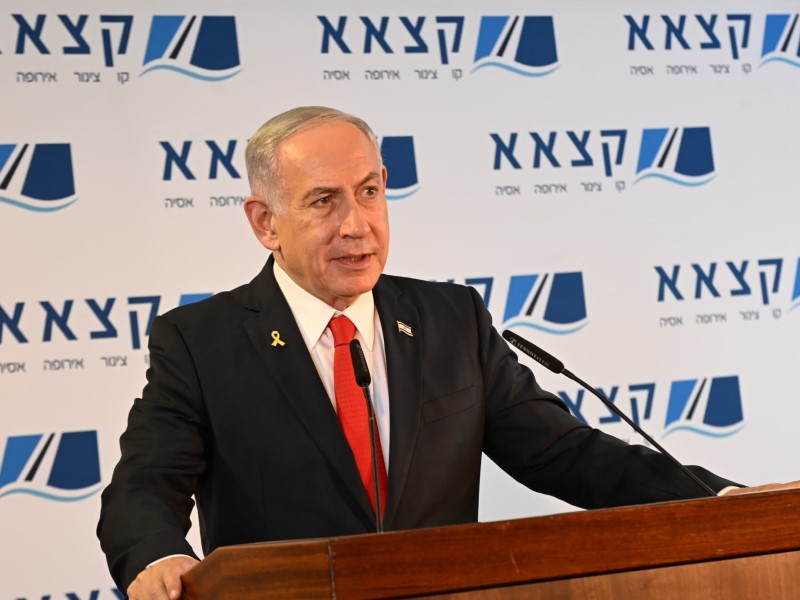











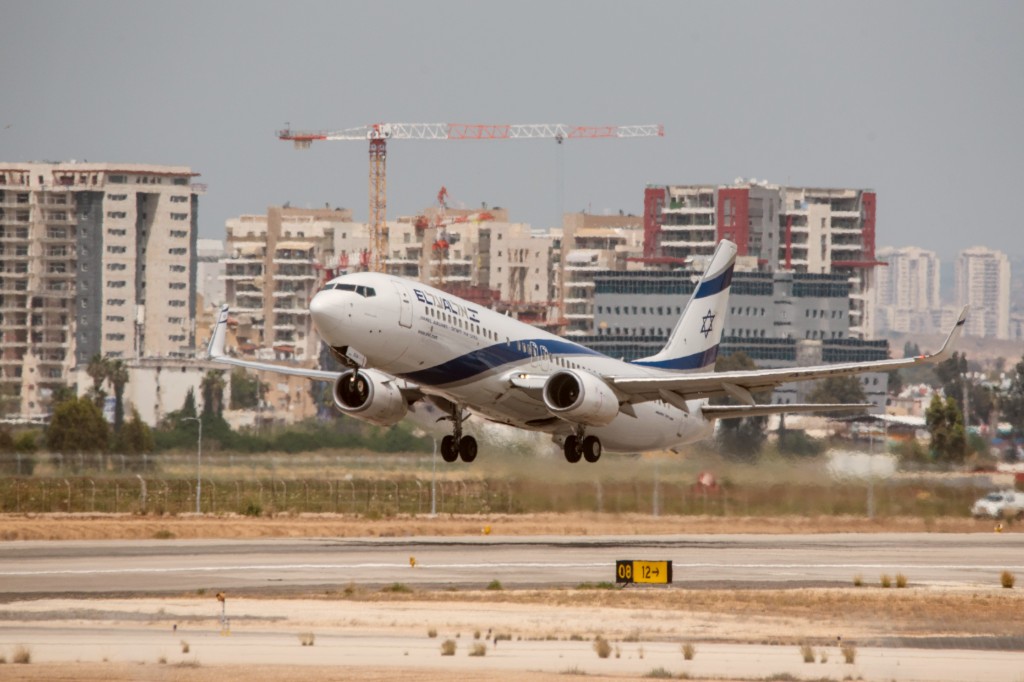
Netanyahu Heads to Washington for Tariff Talks with Trump
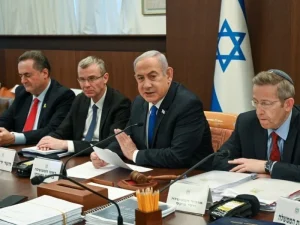
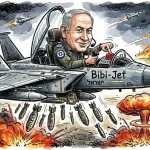
PM Netanyahu is visiting Washington for talks with President Trump on new U.S. tariffs, Israeli hostages in Gaza, Iran, and ICC challenges. The trip follows his stop in Budapest and…


PM Netanyahu is visiting Washington for talks with President Trump on new U.S. tariffs, Israeli hostages in Gaza, Iran, and ICC challenges. The trip follows his stop in Budapest and…
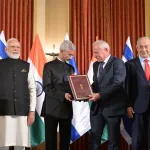
A consortium composed of SOCAR, bp and NewMed Energy received licenses today to explore for natural gas in the Israeli EEZ. For Azerbaijan's SOCAR, this is their first involvement in…
جمعت شركات التكنولوجيا الفائقة الإسرائيلية 9.3 مليار دولار كرأس مال خاص خلال النصف الأول من عام 2025، مسجلة أقوى فترة ستة أشهر...
بقلم بيساخ بنسون • 30 يونيو 2025
القدس، 30 يونيو 2025 (TPS-IL) — جمعت شركات التكنولوجيا الفائقة الإسرائيلية 9.3 مليار دولار كرأس مال خاص خلال النصف الأول من عام 2025، مسجلة أقوى فترة ستة أشهر للقطاع منذ عام 2021، وفقًا لتحليل منتصف العام الذي نشرته يوم الاثنين شركة Startup Nation Central. وتشير الزيادة البالغة 54% في التمويل مقارنة بالنصف الثاني من عام 2024 إلى انتعاش مستمر اكتسب زخماً في الربع الثاني من العام، حتى في ظل التحديات الأمنية المستمرة التي تواجه البلاد.
تُظهر الأرقام الجديدة، المستندة إلى بيانات من منصة Finder التابعة لشركة Startup Nation Central، انتعاشًا ملحوظًا بدأ في أواخر عام 2024 وتسارع في أوائل عام 2025. وارتفع تدفق رأس المال من 3.3 مليار دولار في الربع الأول إلى 6 مليارات دولار في الربع الثاني، على الرغم من انخفاض عدد الصفقات، التي تراجعت من 214 إلى 151.
قال آفي حسون، الرئيس التنفيذي لشركة Startup Nation Central: “تثبت هذه البيانات أن السوق يواصل تسعير الثقة طويلة الأجل في التكنولوجيا الإسرائيلية، حتى في ظل واقع أمني معقد”. وأضاف: “في الشهر الماضي وحده، خلال الفترة التي سبقت الحملة ضد إيران وخلالها، شهدنا 31 جولة تمويل، مما يوفر دليلاً واضحًا على أن رواد الأعمال لا يزالون يبنون وأن المستثمرين لا يزالون واثقين”.
جاءت هذه الزيادة في رأس المال حتى مع انخفاض حجم الصفقات الإجمالي بنسبة 10% مقارنة بالأشهر الستة السابقة. ومع ذلك، زاد متوسط حجم الجولة بنسبة 28% ليصل إلى 9 ملايين دولار، مما يعكس ما وصفه المحللون بأنه تحول نحو جولات أكبر وأكثر نضجًا وبيئة استثمارية أكثر تمييزًا.
قال ياريف لوتان، نائب رئيس المنتجات الرقمية والبيانات في Startup Nation Central: “صفقات أقل، لكن كل جولة أكبر وأكثر تركيزًا”. وأضاف: “حتى في المراحل المبكرة، هناك انتعاش: ارتفعت استثمارات ما قبل البذور والبذور بنسبة 50%، من 406 ملايين دولار إلى 607 ملايين دولار، إلى جانب زيادة بنسبة 60% في جولات المراحل المتوسطة. هذه، إلى جانب الصفقات النشطة في الشركات في مرحلة التخفي، تعزز اتجاه ‘طفرة المواليد في الشركات الناشئة’ الذي أشرنا إليه في نهاية عام 2023.”
تصدرت برامج المؤسسات جميع قطاعات التكنولوجيا بجمع 3.19 مليار دولار عبر 71 جولة. وجاءت الأمن السيبراني في المرتبة الثانية عن كثب بجمع 1.98 مليار دولار من 56 صفقة، وهو رقم كان سيتصدر القائمة لولا جولة تمويل من الفئة ب بقيمة 2 مليار دولار لشركة Safe Superintelligence (SSI)، وهي واحدة من أكبر جولات التمويل في التاريخ الإسرائيلي. جذبت شركات التكنولوجيا المالية 751 مليون دولار، مدعومة بجمع 500 مليون دولار من منصة الدفع Rapyd، بينما سجلت التكنولوجيا الصحية أعلى عدد من الصفقات – 69 – ولكن بتمويل بلغ 623 مليون دولار فقط، معظمها في المراحل المبكرة.
كانت عمليات الاندماج والاستحواذ ميزة بارزة أخرى للنصف الأول من العام، حيث بلغت 39.2 مليار دولار، وهو رقم قياسي. كان استحواذ جوجل البالغ 32 مليار دولار على شركة الأمن السيبراني Wiz الصفقة الرئيسية، لكن المعاملات الكبرى الأخرى شملت بيع Next Insurance بقيمة 2.6 مليار دولار وخروج Melio بقيمة 2.5 مليار دولار. وحتى باستثناء استحواذ Wiz، ظلت أنشطة الاندماج والاستحواذ قوية عند 7.2 مليار دولار، مع 60 عملية استحواذ لأول مرة – وهو أكبر عدد منذ أوائل عام 2022. قاد المشترون الاستراتيجيون العالميون 51% من هذه الصفقات، بينما جاء 42% من مشترين إسرائيليين.
أظهرت أسواق رأس المال العامة أيضًا طاقة متجددة، مع 13 معاملة بقيمة إجمالية 1.6 مليار دولار – بزيادة عن 200 مليون دولار في النصف الثاني من عام 2024. وكانت الصفقة البارزة هي الاكتتاب العام الأولي لشركة eToro الذي طال انتظاره في ناسداك، والذي شهد قفزة في أسهمها بأكثر من 30% بعد الإدراج، مسجلاً أول اكتتاب عام إسرائيلي كبير في مجال التكنولوجيا منذ سنوات.
ظل مشاركة المستثمرين واسعة، على الرغم من انخفاض عدد المستثمرين الفريدين بنسبة 12% ليصل إلى 447. استمر المستثمرون العالميون في الهيمنة، حيث شاركوا في 69% من جميع الجولات – بزيادة عن 61% في أواخر عام 2024. وكانت الشركات الإسرائيلية iAngels و Pitango اللاعبين المحليين الأكثر نشاطًا، حيث شارك كل منهما في 15 صفقة.
قال حسون: “قوة الشيكل، واتجاهات السوق الإيجابية، والحضور القوي للاعبين العالميين، سواء في رأس المال الاستثماري أو عمليات الاستحواذ الاستراتيجية، كلها تعكس نظرة السوق للإمكانات الاقتصادية المتوسطة والطويلة الأجل لإسرائيل”. وأضاف: “هذه علامة أخرى على أن التكنولوجيا الإسرائيلية، بخصائصها وقدراتها الفريدة، لا تزال قوة قيمة في السوق العالمية.”
من المتوقع صدور النسخة الكاملة من تقرير Startup Nation Central في منتصف يوليو.
نشر المراقب المالي الإسرائيلي البيانات المالية الموحدة للدولة لعام 2024 يوم الأحد، كاشفاً عن عمق واتساع نطاق ...
بقلم بيساخ بنسون • 30 يونيو 2025
القدس، 30 يونيو 2025 (TPS-IL) — نشرت مراقبة الحسابات العامة للدولة في إسرائيل البيانات المالية الموحدة للدولة لعام 2024 يوم الأحد، كاشفة عن الأثر الاقتصادي العميق والواسع النطاق لجهود الحكومة للحفاظ على الاستقرار المالي وسط 20 شهراً من الحرب.
أعادت الحرب، التي أشعلها هجوم حماس في 7 أكتوبر، تشكيل المشهد المالي لإسرائيل، وفقاً لمراقبة الحسابات العامة يالي روثنبرغ. ارتفعت نفقات الدفاع، وتم نشر مساعدات طارئة في جميع أنحاء البلاد، وتم إطلاق جهود إعادة إعمار واسعة في الشمال وعلى طول حدود غزة. خصصت البيانات المالية فصولاً واسعة لهذه النفقات المتعلقة بالحرب، مفصلة العمليات الحكومية لدعم النازحين، وتمويل مؤسسة الدفاع، وتعويض المواطنين من خلال صندوق ضريبة الأملاك، وإطلاق برامج إعادة التأهيل تحت أطر جديدة مثل “الحركة نحو الشمال” وإدارة إعادة إعمار غزة.
أكد وزير المالية بتسلئيل سموتريتش التأثير الواسع للحرب. وقال: “تعكس البيانات المالية لدولة إسرائيل صورة عميقة وشاملة للحكومة وفروعها”. “كما يظهر في البيانات المالية، فإن ‘حرب الولادة الجديدة’، التي تشمل الحملة ضد إيران، لها آثار كبيرة على الاقتصاد. نحن نركز الآن على الفوز بالحرب العادلة التي ستضمن وجودنا في البلاد، من خلال تخصيص الموارد اللازمة لنظام الدفاع ودعم الجبهة الداخلية الإسرائيلية الصامدة”. “حرب الولادة الجديدة” هو الاسم الذي تطلقه الحكومة على الحرب.
وأضاف سموتريتش: “أنا مقتنع بأنه بعون الله، سيجلب النصر الأمن، وسيعيد الأمن عائداً زائداً للاقتصاد ويحقق طفرة كبيرة في النمو والتنمية، وسينعكس ذلك في البيانات المالية للسنوات القادمة”.
تقدم البيانات المالية السنوية لمراقبة الحسابات العامة محاسبة شاملة للأنشطة المالية للحكومة. وحد تقرير عام 2024 209 كيانات عامة، بما في ذلك الوزارات والسلطات والشركات المملوكة للدولة والشركات القانونية. بلغت إجمالي الأصول 2.116 تريليون شيكل (630 مليار دولار)، وشكلت أراضي الدولة أكثر من النصف بقيمة 1.133 تريليون شيكل (340 مليار دولار). بلغت الالتزامات 3.624 تريليون شيكل (1.07 مليار دولار)، بما في ذلك 1.108 تريليون شيكل (330 مليار دولار) مستحقة لمعهد التأمين الوطني، و 752 مليار شيكل (222 مليار دولار) لحقوق الموظفين، و 1.384 تريليون شيكل (410 مليار دولار) كدين عام.
وقال روثنبرغ: “إن نشر البيانات المالية بعد أيام قليلة من نهاية عملية ‘الأسد الصاعد’ هو دليل إضافي على أننا، على الرغم من التحديات العديدة، ملتزمون بالحفاظ على روتين سليم من أجل الاقتصاد الإسرائيلي”. عملية الأسد الصاعد هو الاسم العسكري للضربات على المنشآت النووية والعسكرية الإيرانية. “من خلال ضبط النفس المالي والاستثمار في مولدات النمو، سنخرج أقوى”.
تضمن التقرير تقييمات محدثة لأراضي الدولة، وتحسين التنسيق بين الوزارات للبيانات، وفصلاً مخصصاً لمشاريع البنية التحتية المتسارعة في إسرائيل – والتي تم إعادة تخصيص العديد منها أو توسيعها لتلبية احتياجات الحرب. كما أثرت آثار الحرب على التزامات المعاشات التقاعدية للدولة، والتي انخفضت إلى 716 مليار شيكل (212 مليار دولار) من 747 مليار شيكل (221 مليار دولار) بسبب ارتفاع أسعار الفائدة.
شنت إسرائيل ضربات استباقية ضد المواقع النووية الإيرانية في 13 يونيو، مستشهدة بمعلومات استخباراتية تفيد بأن طهران وصلت إلى “نقطة اللاعودة” في سعيها لامتلاك أسلحة نووية. ووفقاً لمسؤولين دفاعيين إسرائيليين، طورت إيران القدرة على تخصيب اليورانيوم بسرعة وتجميع القنابل النووية، مع ما يكفي من المواد الانشطارية لما يصل إلى 15 سلاحاً.
كشفت المخابرات الإسرائيلية أيضاً عن برنامج سري لإكمال جميع مكونات جهاز نووي. شكلت الضربات تصعيداً دراماتيكياً فيما يصفه المسؤولون بأنه استراتيجية إيرانية أوسع تجمع بين التطوير النووي وانتشار الصواريخ وحرب الوكالة التي تهدف إلى تدمير إسرائيل.
دخل وقف إطلاق النار الذي توسطت فيه الولايات المتحدة حيز التنفيذ يوم الثلاثاء. خلال 12 يوماً من القتال، أسفرت الضربات الصاروخية الإيرانية عن مقتل 28 إسرائيلياً وإصابة أكثر من 3000.
قُتل ما لا يقل عن 1180 شخصاً، واحتُجز 252 إسرائيلياً وأجنبياً كرهائن في هجمات حماس على المجتمعات الإسرائيلية بالقرب من حدود غزة في 7 أكتوبر. ومن بين الرهائن الـ 50 المتبقين، يُعتقد أن حوالي 30 منهم لقوا حتفهم.
أنهى رجل الأعمال الإسرائيلي آرون فرينكل صفقة تاريخية لبيع حصة 10% في حقل غاز تامار البحري لأذربيجان...
بقلم بيساخ بنسون • 26 يونيو 2025
القدس، 26 يونيو 2025 (TPS-IL) — رجل الأعمال الإسرائيلي آرون فرينكل أبرم صفقة تاريخية…
يرجى تسجيل الدخول لعرض المزيد…
وزير المالية الإسرائيلي بتسلئيل سموتريتش يرفض الأربعاء العقوبات المفروضة عليه الثلاثاء من قبل بريطانيا ودول أخرى...
بقلم سفيتلانا ليسترادوف • 11 يونيو 2025
القدس، 11 يونيو 2025 (TPS-IL) — رفض وزير المالية الإسرائيلي بتسلئيل سموتريتش يوم الأربعاء بشكل تحدٍ العقوبات التي فرضتها عليه بريطانيا ودول غربية أخرى في اليوم السابق.
وقال سموتريتش، متحدثاً في قاعة الكنيست: “ماذا سأفعل الآن بكل أصولي في بريطانيا وحساباتي المصرفية في نيوزيلندا؟ الحمد لله، ليس لدي أي أصول لا في إسرائيل ولا في الخارج. ليس لدي أي مصلحة في زيارة هذه الدول المعادية للسامية على أي حال، لذا فإن هذه العقوبات لا تقلقني”.
وفرضت بريطانيا وكندا وأستراليا ونيوزيلندا عقوبات على سموتريتش ووزير الأمن القومي إيتمار بن غفير يوم الثلاثاء بسبب ما وصفه وزير الخارجية البريطاني بأنه خطاب وسياسات “وحشية” فيما يتعلق بغزة، واتهموهما بالتحريض على العنف اليهودي ضد الفلسطينيين في الضفة الغربية. وتشمل الإجراءات حظر السفر وتجميد أي أصول يمتلكونها في تلك البلدان.
وأصر سموتريتش قائلاً: “هذه ليست عقوبات شخصية – إنها محاولة للضغط على إسرائيل لوقف الحرب، وللاستسلام، وللانتحار بالسماح بقيام دولة إرهابية بجانبنا. لن نسمح بذلك. نحن نقف كجدار منيع ضد هذا”.
ووصف وزير الخارجية غدعون ساعر العقوبات بأنها “فضيحة”، وقال إن إسرائيل ستنظر في رد رسمي الأسبوع المقبل.
وأعلنت نائبة رئيس الكنيست ليمور سون هاره-ميليخ (عوتسما يهوديت) أنها ستعيد تقديم تشريع لمنع البنوك الإسرائيلية من إنفاذ العقوبات الأجنبية ضد المواطنين الإسرائيليين الذين لم يخالفوا القانون المحلي.
واستغل سموتريتش هذه اللحظة أيضاً ليقول إنه سينهي الإعفاء الذي يسمح للبنوك الإسرائيلية بمعالجة التحويلات بالشيقل مع البنوك الفلسطينية. يسمح الإعفاء للبنوك الإسرائيلية بمعالجة المدفوعات بالشيقل للخدمات والرواتب المرتبطة بالسلطة الفلسطينية دون مخالفة القوانين ضد تمويل الإرهاب وغسيل الأموال. وتعالج البنوك رواتب السلطة الفلسطينية للأسرى الفلسطينيين وعائلاتهم.
في تطور رائد، بنى علماء إسرائيليون وألمان جهاز تصوير بالرنين المغناطيسي قادر على تمييز تفاصيل تصل إلى حجم ...
بقلم بيساخ بنسون • 3 يونيو 2025
القدس، 3 يونيو 2025 (TPS-IL) — في تطور رائد، قام علماء إسرائيليون وألمان ببناء جهاز تصوير بالرنين المغناطيسي قادر على تمييز ميزات صغيرة تصل إلى جزء من المليار من المتر – وهو مقياس دقيق بما يكفي لتصوير الذرات الفردية داخل جزيء واحد. يمثل هذا الإنجاز المرة الأولى التي يصل فيها التصوير بالرنين المغناطيسي إلى دقة النانومتر في ظل ظروف درجة حرارة الغرفة.
تعمل أجهزة التصوير بالرنين المغناطيسي التقليدية في المستشفيات بدقة تبلغ حوالي 0.1 مليمتر – وهي كافية لتصوير جسم الإنسان في شرائح، ولكنها خشنة للغاية لتصوير الهياكل الجزيئية. اعتمدت الجهود السابقة لتقليص التصوير بالرنين المغناطيسي إلى المقياس النانوي على ظروف قاسية، مثل درجات الحرارة المبردة، أو افتقرت إلى الحساسية والدقة اللازمتين لتمييز الذرات الفردية.
تم نشر هذا الإنجاز، بقيادة طالبة الدكتوراه ليورا شان لوبرميسكي في مختبر الدكتور أميت فينكلر من معهد وايزمان للعلوم، في مجلة Communications Physics التي تخضع لمراجعة الأقران.
قال فينكلر: “هذا الجهاز يمنحنا القدرة على تمييز بنية الجزيئات الفردية، وهو أمر لم يكن ممكنًا من قبل”. “إنه ليس مجرد تحسين – بل هو إعادة تعريف لما يمكن أن يفعله التصوير بالرنين المغناطيسي.”
شارك في البحث أيضًا الدكتور راينر شتور والدكتور أندريه دينيسينكو من جامعة شتوتغارت في ألمانيا، والدكتور ياردن مازور من جامعة تل أبيب.
للتغلب على العقبات، جمع العلماء بين عدة ابتكارات. أولاً، طوروا نوعًا جديدًا من مولدات المجال المغناطيسي. باستخدام موصل ذهبي مصمم بنمط عظم السمكة فوق طرف كوارتز، ينتج الجهاز تدرجًا مغناطيسيًا حادًا بشكل استثنائي عند تطبيق تيار كهربائي. هذا التدرج – 1000 تسلا لكل متر، مقارنة بـ 0.1 تسلا فقط لكل متر في أجهزة التصوير بالرنين المغناطيسي القياسية – أقوى بـ 10000 مرة، مما يسمح للجهاز بالتمييز بين الذرات التي تبعد بضعة أجزاء من المليار من المتر.
أوضح فينكلر: “لم تكن المفتاح هو زيادة القوة المطلقة للمجال المغناطيسي، بل زيادة مدى تغييره بحدة مع المسافة”. “هذا التدرج يسمح لنا بتعيين تردد رنين فريد لكل ذرة، حتى عندما تكون قريبة جدًا من بعضها البعض.”
أحرز الفريق أيضًا تقدمًا كبيرًا في استخدام مراكز النيتروجين والفجوات (NV) في الماس الاصطناعي، والتي تعمل كمستشعرات كمومية فائقة الحساسية. في السابق، كانت مراكز NV قادرة على اكتشاف وجود الذرات القريبة ولكنها لم تستطع التمييز بينها – فقد كانت تقوم فقط بحساب متوسط الإشارة. التدرج المغناطيسي الجديد يغير ذلك، مما يمنح كل ذرة فعليًا “بصمة” فريدة يمكن لمركز NV قراءتها.
قالت لوبرميسكي: “في السابق، لم نكن نستطيع فصل الإشارات من ذرات الهيدروجين المختلفة في جزيء”. “الآن، تظهر كل ذرة هيدروجين بتردد مميز بناءً على موقعها، مما يسمح لنا بإعادة بناء صورة عالية الدقة للجزيء.”
جانب آخر مبتكر للنظام هو أن المجال المغناطيسي يتم التحكم فيه إلكترونيًا وقابل للتبديل. نظرًا لأن المجال يتم إنشاؤه بواسطة تيار كهربائي بدلاً من مغناطيس ثابت، يمكن تشغيله وإيقافه في 0.6 ميكروثانية فقط. هذا التحكم عند الطلب يقلل من التداخل أثناء المسح ويجعل من الممكن إجراء قياسات أكثر دقة.
والأهم من ذلك، أن النظام يعمل في درجة حرارة الغرفة، على عكس العديد من الطرق المنافسة التي تتطلب درجات حرارة مجمدة. قال فينكلر: “جهاز nanoMRI الذي يستخدم الطريقة التي اقترحناها سيكون قادرًا على فحص المواد في نفس الظروف التي تستخدم فيها في العالم الحقيقي”. “هذه خطوة كبيرة إلى الأمام لكل من العلوم الأساسية والتطبيقات الصناعية.”
الآثار واعدة بشكل خاص لصناعات الأدوية والمواد. اليوم، تُستخدم تقنيات الرنين المغناطيسي بالفعل للتحقق من نقاء وتركيب الأدوية، ولكن فقط في العينات المجمعة. يمكن لـ nanoMRI الجديد أن يسمح للباحثين باختبار الجزيئات الفردية، مما يقلل بشكل كبير من متطلبات العينة ويسرع جداول التطوير.
في صناعة الأدوية، يسمح مسح الجزيئات الفردية للباحثين بالتحقق من التركيب الدقيق والترتيب والنقاء للمكونات النشطة للدواء.
بالنسبة للمواد المتقدمة مثل الموصلات الفائقة، والمحفزات، أو المواد النانوية، فإن فهم كيفية ترتيب الذرات الفردية أمر بالغ الأهمية. يتيح الجهاز التحقق الهيكلي على المستوى الذري بمستوى تفاصيل غير مسبوق.
علاوة على ذلك، فإن القدرة على اكتشاف وتمييز الجزيئات الفردية تجعل هذه التكنولوجيا واعدة للكشف عن المركبات النزرة، مثل المتفجرات أو المخدرات أو السموم، في التطبيقات الجنائية أو الأمنية.
قال فينكلر: “هذه بداية فصل جديد في التصوير الجزيئي”. “لدينا الآن مسار لرسم خرائط المادة على المقياس الذري – بسرعة، وبشكل نظيف، وفي درجة حرارة الغرفة.”
Artificial intelligence can help consumers avoid overdraft fees -- if the messaging is right and the users are in a position to respond -- ...
By Pesach Benson • May 19, 2025
Jerusalem, 19 May, 2025 (TPS-IL) — Artificial intelligence can help consumers avoid overdraft fees — if the messaging is right and the users are in a position to respond — according to an Israeli study released on Monday.
The research by the Hebrew University of Jerusalem and the financial software firm Intuit presented hard evidence from a real-world experiment involving over 39,000 users of Mint, a personal finance app popular in the U.S. and Canada. The study tested whether AI-generated email reminders, strategically timed and worded, could reduce the likelihood of users overdrawing their bank accounts.
“Our study provides evidence that AI-based, tailored communication can positively influence financial behavior—but it must be accessible and actionable,” said Prof. Orly Sade, Dean of the Hebrew University Business School and one of the study’s co-authors. “Simple, timely messages have the power to help people make better decisions, but we also need to consider broader systemic barriers for those in more challenging financial situations.”
The results, published in the peer-reviewed Management Science, were striking. Even basic alerts led to fewer overdraft incidents. The most effective messages — those that emphasized potential loss — cut overdrafts by 9% the following week. On average, users saved $25 over four months just by receiving a simple, well-timed reminder.
The study also revealed important limitations.
Users with mid-to-high incomes and decent credit scores were the most likely to benefit. In contrast, financially vulnerable users such as individuals with low liquidity or maxed-out credit were far less responsive.
The experiment used an AI model to predict when a user might soon incur an overdraft fee. If flagged, the user received one of several types of reminder emails. These messages varied in complexity and tone. Some emphasized gains (“Save money”), while others focused on avoiding losses (“Avoid overdraft fees”).
The loss-framed messages proved significantly more effective than their positive counterparts, reinforcing long-standing behavioral science theories about the power of loss aversion. And crucially, the simpler the message, the better it worked.
“This isn’t just about alerting people—it’s about designing communications that actually change behavior,” said Daniel Ben-David of Intuit, another co-author of the study. “We saw that even a subtle difference in wording can impact whether someone takes action or ignores the message.”
The findings offer actionable insights for banks, fintech companies, and policy-makers. For firms designing financial tools, it suggests that small tweaks in user communication can have measurable impact.
But the study also signals a warning: nudges work best for people who already have some financial breathing room.
Said Sade, “Technology and behavioral science together can do a lot—but we have to ensure they’re designed with inclusion in mind. Otherwise, the people who need help the most may still be left behind.”
A rare and majestic visitor captured the hearts of nature enthusiasts at Israel's Ein Avdat Nature Reserve this week -- the Negev buzzard, ...
By Pesach Benson • May 12, 2025
Jerusalem, 12 May, 2025 (TPS-IL) — A rare and majestic visitor captured the hearts of nature enthusiasts at Israel’s Ein Avdat Nature Reserve this week — the Negev buzzard, a bird that was once a familiar sight in Israel but has been extinct as a nesting species in the country for decades.
“I was sitting by the spring, chatting with hikers and pointing out eagles passing overhead,” recalled Lior Dor, a Nature and Parks Authority employee who first spotted the bird as it soared above the reserve. “But then, I looked south and saw this enormous, dark eagle in the sky. That’s when I realized: it was the Negev buzzard. I was so excited, I ran after it to capture photos and report the sighting.”
Dor said he watched the bird gracefully fly for nearly an hour, occasionally landing on cliffs before eventually disappearing into the desert sky.
The Negev buzzard, with its nearly three-meter wingspan and weight of over ten kilograms, is the largest raptor in the region. Once a common sight in Israel, the species vanished as a nesting bird due to hunting, habitat disturbances, and loss of food sources. The last recorded nesting in Israel occurred in 1989, near Yotvata. Today, the Negev buzzard is considered globally endangered, with only about 500 individuals left in the Arabian Peninsula.
The buzzard’s powerful beak is designed to peel the skin off large animals like camels, but it also hunts smaller creatures like rabbits and tortoises. Usually seen alone or in pairs, the buzzards build massive nests in acacia trees, some reaching up to a meter in height. Their nesting cycle lasts about a year, during which they lay just one egg.
“We hope that more buzzards will visit us, and perhaps one day they will return to the Negev landscape as they once did,” said Orly Gilad, the Nature and Parks Authority’s Director of the Negev Mountain Region.
Birdwatchers from all over Israel have flocked to the reserve in the wake of the sighting, eager to catch a glimpse of the rare bird. “Some were lucky enough to photograph the buzzard,” said Middad Goren, Director of the Negev Plateau Ornithology Center. “This could be the first step toward seeing them nest here once again.”
Faced with mounting threats to its food supply, Israel unveiled its National Food Security Plan 2050 on Monday, laying out a sweeping ...
By Pesach Benson • May 12, 2025
Jerusalem, 12 May, 2025 (TPS-IL) — Faced with mounting threats to its food supply, Israel unveiled its National Food Security Plan 2050 on Monday, laying out a sweeping strategy to prepare the country for climate shocks, labor shortages, and increased dependence on food imports. The plan, presented by the Ministry of Agriculture and Food Security in cooperation with other government bodies, will require an estimated investment of NIS 2.5 billion-5 billion ($710 million-$1.4 billion).
“The risks are clear and immediate,” warned Minister of Agriculture and Food Security Avi Dichter at the conference. “Without decisive, coordinated action, we face a future of shortages, instability, and weakened national resilience.”
Climate change is expected to slash agricultural yields by tens of percent across multiple crops, while Israel’s population is projected to soar to 16.5 million by 2050, leading to a 65% increase in food demand, the ministry said. At the same time, the workforce needed to sustain food production is shrinking, with a deficit of about 5,000 workers today expected to balloon by another 10,000 within five years.
“We are looking at an enormous increase in demand and a simultaneous decline in our ability to supply food locally. The existing gap, if left unaddressed, will only grow wider,” said the Agriculture Ministry’s Director General, Oren Lavie
Compounding the crisis is Israel’s dependence on imports for critical food categories: 97% of sugar and confectionery products, 92% of fish, 91% of grains, and 71% of legumes come from abroad — often from just one or two source countries. This makes Israel highly vulnerable to global disruptions, trade restrictions, or climate disasters elsewhere, the ministry noted.
Brig. Gen. (res.) Itzik Bar, Deputy, Head of the National Security Council for Security Policy, cautioned, “In times of war, political upheaval, or supply chain breakdowns, we cannot afford to rely on others for our basic needs. Food security is national security.”
Food loss is another urgent concern. According to figures presented at the conference, Israel wastes over 2.6 million tons of food annually, amounting to more than a third of total local production, with an economic cost estimated at NIS 24.3 billion ($6.8 billion) each year.
“Wasting food not only drains our economy, it undermines the health and stability of our society,” said Dr. Sharon Alroy-Preis, Head of Public Health Services at the Ministry of Health.
Against this backdrop, the National Food Security Plan sets out a series of long-term objectives, with targets for 2030 and 2040. Its four strategic pillars are promoting healthy and sustainable diets, ensuring continuous food availability, strengthening production and import capacity, and building long-term resilience.
To achieve these goals, inter-ministerial working groups recommended expanding local agricultural production, particularly in fish, legumes, vegetables, and olive oil; fostering food-tech and agri-tech innovation; creating digital platforms for data and surplus food management; and redesigning import strategies to diversify suppliers and reduce risk.
The Food Industries Group proposed financial incentives and potential taxes to encourage healthier food production and consumption, addressing both health and environmental burdens, which are currently estimated to cost over NIS 55 billion ($15.5 billion) per year.
Meanwhile, the Food Loss Group set ambitious goals: cutting food loss per capita by 20% by 2035, and by half by 2050. Measures such as real-time digital trading platforms for surplus food and improved infrastructure to redirect excess production were among the tools recommended.
Despite the plan’s scope, officials emphasized that Monday’s presentation is only the beginning. “We have the blueprint,” said Dichter. “But translating it into reality will require constant monitoring, annual data updates, and flexibility to adapt to new challenges.”
Israeli officials are laying the groundwork to phase out a longstanding U.S. foreign aid model for a new framework based on joint investments, innovation and equal partnership.
Jerusalem, 5 May, 2025 (TPS-IL) — Israeli officials are laying the groundwork to phase out a longstanding U.S. foreign aid model for a new framework based on joint investments, innovation and equal partnership.
“I believe Israel must be an equal among equals,” Likud MK Amit Halevi, who is spearheading the initiative, told The Press Service of Israel.
“Israel must first and foremost be a sovereign state that respects its sovereignty and breaks free from any framework or system that enables or imposes dictates on its policy,” insisted Halevi, who chairs the Knesset subcommittee on National Security Doctrine and Force Buildup.
Under the current Memorandum of Understanding, which was signed in 2016 and is in effect from 2018-2028, Israel receives $3.8 billion annually. While $500 million is earmarked for missile defense cooperation, the remaining $3.5 billion is used entirely within the U.S. defense industry.
But key Israeli figures told TPS-IL that this model no longer reflects Israel’s capabilities or the mutual benefits at stake.
Halevi, who convened a series of hearings on the issue, wants to emphasize bi-national funds and mega-projects reflecting joint strategic interests.
He suggested that models such as the Israel-United States Binational Industrial Research and Development Foundation (BIRD Foundation) and the U.S.-Israel Binational Science Foundation (BSF Foundation) be scaled to the defense and national strategy arena.
During a February visit to Washington, Halevi presented his principles to Republican and Democratic lawmakers. He told TPS-IL that his proposal was met with genuine interest, especially among conservative members who viewed it as a potential response to critiques of foreign aid.
“Too often, Israeli officials arrive on Capitol Hill thanking America for its generosity,” Yoram Ettinger, former Israeli ambassador and expert on U.S.–Israel relations told TPS-IL. “They should be reminding Congress that this is a win-win. The $3.8 billion remains in the U.S., supports American jobs, and boosts American security.”
The retired diplomat and researcher stressed, “These are not handouts. Israel is not a foreign aid recipient. It’s a battlefield laboratory for the U.S. defense industry. Every dollar ‘given’ to Israel returns hundreds in value to American taxpayers.”
He pointed to data from U.S. defense contractors Lockheed Martin and Boeing showing that Israeli feedback from combat use of American systems shortens R&D timelines, improves weapon effectiveness, and drives U.S.. sales.
“We are the luxury showroom of American military hardware,” said Ettinger.
The research of Dr. Raphael BenLevi has shaped much of the debate. BenLevi — the director of the Churchill Program for Statecraft and Security at the Argaman Institute, and a fellow at the Misgav Institute for National Security — told TPS-IL that Washington’s use of aid as both a carrot and stick has distorted decision-making and public perception.
“Since the 1970s, many Israeli territorial concessions were indirectly facilitated by aid packages — aid that was meant to ‘sweeten’ politically risky moves,” he explained. “We called it ‘land for peace,’ but it was often ‘land for aid.’”
BenLevi also warned that overreliance on U.S. procurement hollowed out Israel’s own production lines. The current Memorandum of Understading (MOU) ended Israel’s ability to convert 26% of aid into local currency.
“We became addicted to Washington’s credits. Then came the war on October 7, and suddenly we needed ammunition we couldn’t manufacture fast enough at home,” said BenLevi.
According to BenLevi and Halevi, a ten-year phased transition would allow Israel to adjust its military budgeting and strengthen its industrial independence. By 2028 — when the current MOU expires — Israel could be “in position to negotiate a new framework based on joint innovation, not dependency.”
Halevi’s committee hearings revealed internal divisions. Some warned that reducing U.S. aid could endanger Israel’s security, with one academic calling the dependence as “existential.” Opposition MK Moshe Tur-Paz added that while U.S. aid is 2% of Israel’s defense budget in peacetime, it surges to 16% during emergencies and must be preserved.
In response to those concerns, BenLevi told TPS-IL that that the aid currently represents only 0.7% of Israel’s GDP and roughly 2.5% of the pre-war national budget.
“That’s not existential. We can fund these purchases ourselves, and gain flexibility in choosing suppliers, investing in domestic capabilities, and forming new partnerships—without undermining our bond with America,” BenLevi said.
Marc Zell, chairman of Republicans Overseas Israel, explained to TPS-IL that many conservative voices in Washington are wary of unconditional U.S. foreign aid, and that a new model for stressing reciprocity would appeal to policymakers.
“U.S. assistance to Israel is not a one-way street. It’s an investment. Israel is not a welfare case—we’re a critical ally that gives back more than we get,” Zell told TPS-IL. “This shift in messaging can neutralize criticism on the right—and highlight how this alliance serves American interests.”
This debate was reignited when President Donald Trump introduced trade tariffs effecting more than 90 countries. Israel was hit with a 17% tariff on products.
“Don’t forget, we help Israel a lot. We give Israel $4 billion a year. That’s a lot… But we take care of our friends,” Trump told reporters during a joint Oval Office appearance with Prime Minister Benjamin Netanyahu in April. In Jerusalem, Trump’s remarks were viewed as patronizing.
In contrast, U.S. Ambassador to Israel Mike Huckabee, speaking in Jerusalem later in April, struck a different chord.
“It is not that Israel benefits so greatly because of its relationship to America. America benefits greatly from its relationship to Israel… From intelligence and military tech to life-saving medical innovations, what we get is invaluable,” Huckabee said.
Said Halevi to TPS-IL, “This isn’t about walking away from America. It’s about maturing the alliance. About freeing ourselves from structural pressures. About standing tall and saying—we are equals.”
Halevi is busy drafting a formal policy paper outlining a practical roadmap to gradually replace the current aid model with bilateral investment frameworks and strategic cooperation mechanisms.
His plan is expected to feed into Israel’s preparations for the next Memorandum of Understanding negotiations.
A shadowy market of Hamas-linked money changers have become Gaza’s gatekeepers of cash, enriching the terror group while ordinary Palestinians find that accessing salaries can cost as much as 40 percent, The Press Service of Israel has learned.
Jerusalem, 26 April, 2025 (TPS-IL) — A shadowy market of Hamas-linked money changers have become Gaza’s gatekeepers of cash, enriching the terror group while ordinary Palestinians find that accessing salaries can cost as much as 40 percent, The Press Service of Israel has learned.
“Hamas has essentially become Gaza’s shekel bank. It controls the flow of cash, oversees networks of money changers, and profits from every transaction — whether it’s aid, salaries, or fuel,” Eyal Ofer, an expert on Gaza’s economy and a former government advisor told The Press Service of Israel.
“In Gaza, a whole industry of money changers has emerged. People are getting aid via banking apps, but to turn that into real currency, they must go through brokers. They withdraw funds from these digital wallets and charge outrageous fees — anywhere between 20% and 40%. This is one of the ways Hamas is making a profit,” he points out.
With Gaza’s banks closed, ATMs down, and aid distributed via digital apps, Ofer estimates that 100–150 money changers are currently active in Gaza. At least half are using Hamas funds, and some have been designated for terror financing by Israel’s Ministry of Defense.
“At least half of the active money changers in Gaza operate using Hamas-controlled cash,” Ofer estimated. “Some of them are paid by Hamas, others share profits or offer strategic cooperation.”
In an indication of how deeply Hamas has embedded itself, the Israel Defense Forces announced the assassination of Said Khudari in an April 4 airstrike in Gaza City. The army said Khudari was directly tied to Hamas’ financial apparatus through the Al Wefaq Co. fund which he headed. Israel designated Al Wefaq as a terror organization “due to its involvement in the funneling of money to terrorist entities,” primarily Hamas.
And in a more unusual move, Foreign Minister Gideon Sa’ar asked the Bank of Israel to cancel a series of 200 shekel bills that were introduced to the Gaza Strip. The Bank rejected the proposal.
In a letter to Bank of Israel Governor Prof. Amir Yaron on Thursday, Sa’ar wrote, “the bulk of Hamas’ economic vitality in the Gaza Strip is based on a stockpile of billions of shekels, in cash and banknotes, which serves it as working capital. The funds are paid as salaries to activists and returned to them within a short time in the form of taxes that they collect from merchants in the Gaza Strip.”
Sa’ar added that a team of experts estimated that “canceling the legal circulation of these notes in Israel or at least in the first and immediate stage – canceling the series of 200 shekel notes that were transferred to Gaza in previous years – will dramatically harm Hamas’s economic capacity.”

A damaged ATM machine in Gaza City on April 9, 2025. Photo by Majdi Fathi/TPS-IL
With no cash access through formal channels, money changers have become the only option for Gaza residents. Monthly aid from UNICEF, the World Food Programme, and the Palestinian Authority totals over NIS 50 million ($13.5 million) channeled through Arab digital wallets such as PalPay and Jawwal Pay. But with almost no liquidity in banks and no way to withdraw directly, citizens are forced to find a “broker.”
“I go to the market and meet people whose job is to provide cash in exchange for a fee,” Gaza resident Shahab Yousef told TPS-IL. “The fee is 20–30%. If I transfer 1,000 shekels [$271] I get back 700 [$190],” he said.
“For big purchases, I pay digitally. But at the market, I need cash, and I lose 30% every time,” Yousef added.
Another Gaza resident, Nidal Qawasmeh, expressed similar frustration to TPS-IL.
“These people are charging 30% just to give you cash. I just want to take care of my family, but everything costs me more because of this. Prices are insane.”
The issue is further complicated by mixed messages from authorities. In April, Gaza’s Chamber of Commerce launched the “Stay Ready, Stay Electronic” campaign, promoting digital payments with the slogan, “Cash Isn’t Necessary.” But the campaign was widely mocked online. Commenters noted that Taj Mall in Gaza City, where the campaign launched, still demands half its payments in cash.
Critics further accused the Chamber of Commerce of hypocrisy, saying many of its own members refuse to accept digital payments. With unreliable internet, poor digital infrastructure, and inconsistent pricing, many Gazans appear to see the cashless push as unrealistic. The Gaza Chamber of Commerce has limited independence from Hamas and remains functionally dependent on the terror group.
It seems the terror group also sends its representatives to guide the money changers on how funds should be transferred.
In one viral Telegram post, a man described a money changer openly holding bundles of 200-shekel notes next to Hamas police. In the comment in a discussion group of the activist Hamza Al-Masri dated mid-April, a Palestinian vented, “The money changer, I see him with the (Hamas-employed) policemen … I swear, he holds a bundle of 200-shekel notes, and he’s the one holding the bundle. The police soldiers with their weapons are standing in front of him, leaving him alone. You want to convince me they’re not working together?”
The Palestinian Authority also pointed fingers at Hamas.
As Palestinian Media Watch reports, in a broadcast on official PA TV on November 13, a reporter in the central Gaza city of Deir al-Balah claimed that 28% of salaries or remittances are siphoned by Hamas-affiliated entities. Additionally, a November 10 editorial in Al-Hayat Al-Jadida, the Palestinian Authority’s official daily paper, accused Hamas of monopolizing humanitarian aid for profit.
“The aid that is arriving there [in the northern Gaza Strip] after many hardships… is exclusively controlled by the Hamas militias and others, until it arrives in the greedy free market of commerce that craves forbidden profit,” the paper said.
Said Ofer to TPS-IL, “What’s happening is that Hamas is not only profiting from the cash it holds in Gaza but also laundering it through all this activity. My estimate is that they’ve accumulated around four billion shekels [$1.08 billion]. This isn’t a money shortage issue; it’s about control.”
At least 1,180 people were killed, and 252 Israelis and foreigners were taken hostage in Hamas’s attacks on Israeli communities near the Gaza border on October 7. Of the 59 remaining hostages, 36 are believed to be dead.