









إسرائيل واليونان تعمقان التعاون الدفاعي وتبحثان أنظمة مكافحة الطائرات المسيرة والصواريخ
وزير الدفاع الإسرائيلي إسرائيل كاتس يلتقي نظيره اليوناني نيكوس ديندياس في أثينا لتعزيز التعاون الدفاعي.


وزير الدفاع الإسرائيلي إسرائيل كاتس يلتقي نظيره اليوناني نيكوس ديندياس في أثينا لتعزيز التعاون الدفاعي.
وسائل إعلام تركية موالية للحكومة تصعد تهديداتها لليونان، وتزعم بلا أساس وجودًا عسكريًا إسرائيليًا في جزر بحر إيجه وتدعو إلى الاستيلاء الفوري عليها.
بقلم كوستيس كونستانتينو • 12 يناير 2026
القدس، 12 يناير 2026 (TPS-IL) — موجة من التعليقات التحريضية في وسائل الإعلام التركية الموالية للحكومة استهدفت اليونان وجزيرة كاستيلوريزو في شرق البحر الأبيض المتوسط، بما في ذلك دعوات صريحة للعمل العسكري وادعاءات لا أساس لها تتعلق بـ إسرائيل.
ادعى إبراهيم كاراغول، وهو كاتب عمود في صحيفة يني شفق الإسلامية الموالية للحكومة، أن اليونان نقلت “أسلحة إسرائيلية وجنود إسرائيليين” إلى جزر بحر إيجه وأنشأت مستودعات وقواعد صواريخ “على حدود تركيا”. وحذر من أنه إذا اتخذت أثينا خطوات مماثلة في كاستيلوريزو، “فيجب على تركيا الاستيلاء على الجزيرة فورًا، دون تردد”، رافضًا القانون الدولي باعتباره غير ذي صلة.
في خطاب مماثل، أعاد توران أوز، الذي وصفته وسائل الإعلام الموالية للحكومة بأنه محلل دفاعي، صياغة تصريحات نسبت إلى الرئيس الأمريكي دونالد ترامب بشأن جرينلاند ليجادل بأن “يجب فعل شيء بشأن كاستيلوريزو، سواء أحبوا ذلك أم لا”، مدعيًا – دون دليل – أن روسيا أو الصين ستسيطران على الجزيرة بخلاف ذلك. كما شكك في السيادة اليونانية بناءً على حجج تاريخية.
على النقيض من ذلك، وصف يوسف إريم من TRT World التقارير التي تفيد بأن اليونان تدرس اقتراحًا إسرائيليًا للاستخدام المشترك لكاستيلوريزو بأنها “أخبار كاذبة”، محذرًا في الوقت نفسه من أن أي تحرك من هذا القبيل سيؤدي إلى رد “غير متناسب وحاسم”.
لم يتم تقديم أي تأكيد رسمي للادعاءات التي تناقلها المعلقون الأتراك. وتضيف هذه التصريحات إلى الخطاب المتصاعد في شرق البحر الأبيض المتوسط وسط التوترات الإقليمية المستمرة.
Israel's Knesset has approved a proposed law in its first reading to commemorate the events of October 7th, establishing a state memorial day and a.
approved in First Reading: Law to Commemorate the Events of October 7th
The Knesset plenum approved in its first reading the proposed law to commemorate the events of October 7th – Sukkot, 5786-2025. 18 Knesset members supported the proposal, with no opposing votes, and it will be transferred for discussion in the Education, Culture, and Sports Committee.
It is proposed to establish the 24th of Tishrei as the State Memorial Day for the events of October 7th – Sukkot. On this day, in accordance with the proposal in the law, state ceremonies will be held, the flag will be lowered to half-mast at state institutions, and a special discussion will be held in the Knesset.
It is further proposed to establish a Commemoration, Memory, and Heritage Authority for the events of October 7th, which will act to carry out commemoration activities and preserve national memory. Additionally, a commemoration site and museum will be established in the Western Negev region.
Finally, it is proposed that until the Authority is established, the Prime Minister’s Office will coordinate memory, documentation, and commemoration activities, and the minister responsible for implementing the law will be the Prime Minister.
The explanatory notes to the proposal state: “This law is based on the understanding that preserving memory, documentation, and developing heritage are essential for the rehabilitation and development of communities, and they carry significant weight in the rehabilitation of Israeli society. Commemoration and memory contribute to strengthening personal, community, regional, and national resilience, as well as strengthening national and international solidarity and cohesion, by creating a meaningful connection between the past and the future, connecting citizens to the shared national story, and enabling bereaved families to find a supportive community.”
Approved in First Reading: State Memorial Day to Commemorate the Events of October 7th; Additionally, a Memory and Commemoration Authority will be Established
The Knesset plenum approved in its first reading the proposed law for the commemoration of the massacre and the remembrance of heroism on the 22nd of Tishrei (Simchat Torah) – October 7th, 5785-2025, by MK Etty Attar and a group of Knesset members, to which a proposal by MK Naama Lazimi was attached. 18 Knesset members supported the proposal, with no opposing votes, and it will be returned for discussion in the Education, Culture, and Sports Committee.
It is proposed to establish a state memorial day for the massacre and heroism on the 24th of Tishrei in order to preserve the events of October 7th in the national consciousness for generations. This day will be marked, among other things, by a state memorial ceremony, a special discussion in the Knesset, and ceremonies and activities in educational institutions. According to the proposal, on this day the state flag will be lowered to half-mast and broadcast programs will reflect the special nature of the day.
Furthermore, it is proposed to establish a Memory Authority, which will be a statutory corporation, to fulfill the objectives of the proposed law. Its responsibilities will include: establishing and making accessible a central database to the public, operating a commemoration site, establishing a museum and archive, and holding cultural and memorial events.
The explanatory notes to the proposal state: “The purpose of the proposed law is to ensure for generations the memory of the events of October 7th, including the acts of massacre and terror and the abduction of civilians and security forces personnel, to honor and commemorate the memory of the fallen and the victims, to document the stories of the massacre survivors, and to commemorate the acts of heroism and the resilience shown by the people of Israel.”
Approved in First Reading: Temporary Order Stipulating that Legal Proceedings Concerning Security Prisoners Will Generally Be Conducted via Visual Conferencing
The Knesset plenum approved in its first reading the proposed law for conducting visual conferencing proceedings involving detainees, prisoners, and incarcerated individuals (Temporary Order), 5786-2025, by MK Tzvi Fogel. 11 Knesset members supported the proposal, with no opposing votes, and it will be returned for discussion in the constitution committee.
It is proposed to establish, as a temporary order for a period of four years, a regulation mandating that court proceedings concerning security prisoners be conducted via visual conferencing, based on a joint declaration by the Minister of Justice and the Minister of National Security regarding security restrictions due to the risk posed by the prisoners and their transportation. Exceptions for initial arrest hearings and the hearing of testimonies are stipulated within the framework of the regulation.
In addition, it is proposed to establish general arrangements for conducting court proceedings concerning detainees, prisoners, and incarcerated individuals via visual conferencing, in situations where the normal course of life in the country or a part thereof is disrupted due to the security situation, a genuine public health concern, or natural disasters, based on a declaration by the Minister of Justice. The extension of a declaration of security restriction or a full restriction will require the approval of the Constitution, Law, and Justice Committee.
The explanatory notes to the proposal state: “During the outbreak of the Coronavirus pandemic and throughout the Swords of Iron War, a system was implemented that allowed for visual conferencing proceedings for detainees and prisoners in a wide range of legal proceedings.
Due to the situation during the Swords of Iron War, emergency regulations were enacted for a short period, allowing for visual conferencing proceedings for detainees and prisoners. Subsequently, the law for conducting visual conferencing proceedings involving detainees and prisoners (Temporary Order – Swords of Iron) was enacted, until it was replaced by the law for conducting visual conferencing proceedings involving detainees, prisoners, and incarcerated individuals (Temporary Order – Swords of Iron), 5784-2023.
It is now proposed to re-enact the law, largely as it was before its expiration, for a period of four years, which can be extended by order, while disconnecting it from the state of war and the special situation that prevailed in the home front.”
Prime Minister Netanyahu declared in the Knesset that Israel will not allow Iran to rebuild its ballistic missile or nuclear industry, warning of severe.
Prime Minister Netanyahu in the Knesset Plenum: “We will not allow Iran to rebuild its missile or nuclear industry”
Prime Minister Benjamin Netanyahu delivered a speech this week in the Knesset plenum as part of a 40-signature discussion: “President Trump and I have expressed a firm stance – we will not allow Iran to rebuild its ballistic missile industry or renew its nuclear program.” The Prime Minister also said: “We identify with the struggle of the Iranian people and their aspiration for freedom and justice. If we are attacked – the consequences for Iran will be very severe.”
Netanyahu also addressed the law for integrating yeshiva students into security service: “We are advancing a historic plan that will lead to the enlistment of 23,000 Haredim in the next three and a half years. This is a real revolution.” Regarding the investigation committee for the October 7th events, he said: “There will be no broad trust in an investigation committee in which more than half the nation is not represented and does not believe in it.”
Opposition leader MK Yair Lapid responded to the Prime Minister’s remarks: “We managed this country much better than you, more quietly and more efficiently. We don’t just think about ourselves, but about all citizens of Israel.” The Opposition leader added: “The cost of living is crushing an entire generation here. There is a record of negative immigration. People are leaving because they have despaired, they have stopped believing in the future of the State of Israel.”
IDF Representative Revealed in the Foreign Affairs and Defense Committee Discussion How Many Haredim Enlisted
Head of the Manpower Planning and Administration Division, Brigadier General Shay Tayeb, noted in the foreign affairs and Defense Committee discussion held on Sunday the enlistment data as of that day: “As of noon, there were over 210 combat soldiers and over 140 support personnel, and it is likely that in ten days this will conclude with the largest enlistment in recent times.”
This week’s discussion dealt with the revocation of personal benefits for those who did not report for regular service. Among the benefits to be revoked: driver’s license, revocation of scholarships and financial assistance, restriction of exit from the country, ineligibility to apply for positions designated for groups entitled to affirmative action, and revocation of eligibility for tax credits. Deputy Director of Budgets at the Treasury, Kfir Batat, said regarding the economic sanctions: “Almost everything listed in the immediate sanctions are things that are already prohibited by law. Regarding future sanctions, the expiration date of the sanctions renders most of them void.” MK Yitzhak Goldknopf insisted during the meeting: “We insist that there will be no sanctions on Torah scholars.”
Mayors from the Negev in the Committee for Strengthening and Developing the Negev and Galilee Discussion: We are living in a reality of personal insecurity
These remarks were made in a discussion held following the “pogrom in the Negev settlements.” Southern District Police Commander, Superintendent Shlomi Darai, said: “There is still much to improve, but the business outputs of the Southern District do not lie; whoever takes the law into their own hands – we will attack them with all means.” Chairman of the committee, MK Oded Forer: “The situation in the Negev is far from excellent and is not solely the responsibility of the Israel Police but of the entire government, and it will not end with just one operation. I do not accept the assertion that the situation is improving.”
Deputy Mayor of Jerusalem: “70,000 residents have no protection against infiltrators”
This was warned by Yael Antabi regarding the residents of the Neve Yaakov and Pisgat Ze’ev neighborhoods in the capital, during a joint discussion of the State Audit Committee headed by MK Alon Schuster and the Foreign Affairs and Defense Committee headed by MK Boaz Bismut, which took place this week. The discussion dealt with the operational and infrastructural situation on the seam line and at the crossings of the Jerusalem envelope. Representatives of the settlements in the Jerusalem envelope added: “There is no single body managing the crossings, and a security failure has occurred.” According to the Comptroller’s report on the matter from the past month, there are breaches in the seam line used for the passage of illegal infiltrators. According to the audit findings, there have been delays in repairing damage to the fence and in maintaining the technological components installed on it, there is a shortage of dedicated personnel, and in the quality of the technological response for monitoring and inspection.
Discussion on Police Enforcement Against Ethiopians: “Cases are opened wholesale”
The Committee for Removing Barriers, which convened this week, discussed police enforcement against Ethiopians, some of whom testified at the hearing about violence from police officers. One of them told the committee: “I was arrested for lack of identification and then they tasered me in the back while I was handcuffed.” MK Pnina Tamano protested to the police representatives who participated in the discussion: “You are opening cases wholesale. We are in a state of survival, and I am discovering insensitivity and a wall and a lack of responsibility. Israel Police, you are going the wrong way.” Committee Chairman MK Michael Biton: “There is a prevalence of hundreds of percent in arrests relative to their size in the population.” The police representative responded: “We need to sit together and lead joint activity. We will spare no effort and will come with data, and where we are not good, we will do everything to be better.”
The Election Committee and the Shin Bet Established a Team to Deal with External Influences Ahead of the Elections
This was reported in a discussion of the Subcommittee of the Science and Technology Committee, which dealt with dealing with awareness campaigns based on artificial intelligence, especially during election periods. The CEO of the Election Committee, Orly Adas, emphasized in the discussion that the existing law is outdated and noted as an example: “It is not stipulated that lying in election propaganda is forbidden.” It was noted in the discussion that the Election committee and the Shin Bet have established a team to deal with external influences, due to concerns about fake AI-based campaigns. Adas said that the Election Committee has already held preliminary discussions with Meta and TikTok, but the committee has no ability to act with X and Telegram networks due to the lack of representation in Israel.
In a discussion of the State Audit Committee, headed by MK Alon Schuster, which took place this week and dealt with the same issue, the CEO of the Central Election Committee called: “We must consider adopting the European Union’s decision and promoting legislation that will require clear labeling of content created by artificial intelligence.” She explained: “It is impossible to clean the network of millions of videos and campaigns created with the click of a button.”
The Ministry of Health will clarify to hospitals: Operate an acute room at all hours of the day
The Director of the Department for the treatment of Sexual Assaults at the Ministry of Health, Dr. Zohar Sahar, made these remarks in a discussion of the Health Committee that dealt with the operation of acute rooms. The Chairperson of the committee, MK Limor Son Har Melech, clarified: “Medical treatment in an acute room is a basic right and is not conditional on filing a police complaint. No victim should give up her health due to incorrect information or lack of clarity in the process.”
The Economics Committee Discussed the Regulation of Mortgage Counseling: “A difference of hundreds of thousands of shekels”
President of LAHAV, Adv. Roi Cohen, explained: “A difference of heaven and earth and hundreds of thousands of shekels between professional advice and someone receiving incorrect service.” The initiators of the law, MK Asher and Beliak: “The cost of living is most evident in mortgages.” Committee Chairman MK David Bitan: Regulation in the industry is important, we will advance the proposal quickly.
The Committee on the Rights of the Child: A shortage of approximately 3,000 educational assistants
This was estimated by the Center for Local Government, in a committee discussion that dealt with the intermittent closure of kindergartens due to a severe shortage of early childhood personnel. The shortage leads to sudden and repeated closures of kindergartens, shortened school days, and cancellation of afternoon programs. Committee Chairperson, MK Keti Shitrit: “It is unacceptable for the education system to operate through temporary solutions, improvisations, and surprise closures, instead of a structured policy.”
Amendment to the Law Regarding Contract Interpretation Approved
This week, the Knesset plenum approved in its second and third readings an amendment to the Contracts Law (General Part), according to which the interpretation of a contract will be as the parties agreed; a business contract in which no provisions for interpretation are specified – will be interpreted according to its wording alone, unless the wording of the contract leads to an unreasonable result or a contradiction between its provisions. The explanation for the amendment states: “The purpose of the amendment is to establish interpretation rules adapted to business contracts versus other contracts, in accordance with the trend in case law that distinguishes between different types of contracts, in order to bring greater certainty to the business world and assist in reducing the burden on the courts.”
Israel's Security Committee debates the Security Service Bill, aiming to integrate Yeshiva students while protecting women's status and Haredi lifestyles.
The foreign affairs and Defense Committee continues its series of discussions on the Security Service Law (Amendment No. 26) (integration of Yeshiva Students), 5782-2022. The first part of today’s discussion dealt with sections 26 Ka – 26 Ke, which concern preventing harm to the status and integration of women in security service, while preserving the way of life of graduates of Haredi educational institutions.
Section E of the proposed law concerns general provisions for the bill. On one hand, the IDF is obligated to preserve the Haredi way of life of graduates of Haredi educational institutions. On the other hand, the IDF has a parallel obligation not to harm the service or status of women as a result of integrating graduates of Haredi educational institutions.
It is proposed to anchor in section 26 Ka the obligation to protect the status of women in the IDF. The section explicitly states that the integration of graduates of Haredi educational institutions into security service, in accordance with the provisions of this chapter, shall not be done in a way that harms the status, service, or integration opportunities of a woman in security service. Concurrently, it is proposed to stipulate in section 26 Kb a provision that the IDF will act to enable the preservation of the way of life for those who enlist according to the provisions of this chapter.
As a direct continuation of the IDF’s obligations to act to preserve the way of life of yeshiva students and graduates of Haredi educational institutions, the proposed law introduces for the first time several sections intended to implement this obligation. Within this framework, several sections have been added to ensure the codification of the IDF’s duty.
According to the Legal Counsel’s position to the committee, it is of utmost importance to anchor in law provisions that ensure that the status and integration of women in the IDF are not harmed. This importance is equivalent to the importance of defining the IDF’s obligations to open tailored tracks, selection and placement procedures, and the establishment of pre-military preparatory programs for graduates of Haredi educational institutions.
In the opinion of the Legal Counsel, it is important to anchor fundamental provisions that will ensure that frameworks intended for women are not reduced due to the integration of graduates of Haredi educational institutions. In addition to these, it is also possible to consider including provisions that ensure the increased representation of women in key positions, by presenting orderly work plans from the IDF to achieve these goals.
The Legal Counsel also stated that the IDF’s ability to establish tailored tracks is closely related to our remarks regarding the need for an internal division concerning the minimum threshold for enlistment, in accordance with the division presented by the IDF in the committee’s discussions. This division will allow the IDF to plan and open tailored tracks that suit the army’s needs on the one hand, while acting according to its obligations, as proposed in the bill, to adapt these tracks to graduates of Haredi educational institutions on the other hand.
The Foreign Affairs and Defense Committee continued its series of discussions on the Security Service Law (Amendment No. 26) (Integration of Yeshiva Students), 5782-2022. The second part of today’s discussion dealt with sections 2 to 9, which concern supervision provisions.
Sections 2 to 9 of the proposed law amend the supervision mechanism established in sections 49a to 49h of the Security Service Law. The provisions of this chapter stipulate that a supervisor who finds that a person designated for security service is not present at the yeshiva must notify the commander or his representative. Supervisors and inspectors have been granted powers to demand identification from yeshiva students and yeshiva staff, to request documents, and supervisors have also been granted explicit authority to enter yeshivas, except for residential areas, only by court order.
The bill presented to the committee proposes several changes in this regard.
According to the Legal Counsel’s position to the committee, the supervision in yeshivas reflects the purposes of the proposed law – on the one hand, reducing inequality by increasing the number of recruits from the Haredi public, and on the other hand, recognizing the importance of Torah study as a justification for deferring service, by supervising that those whose service is deferred for Torah study are indeed studying Torah. Given its importance, it is necessary to ensure that the supervision is effective.
The Legal Counsel notes that the proposed law includes several amendments that contribute to increasing the effectiveness of supervision, such as the obligation to appoint supervisors and set criteria for their number, the cancellation of the Ministry of Defense’s reliance on the Ministry of Education’s supervision, and the detailing of the report to be submitted to the Foreign Affairs and Defense committee and increasing its frequency.
At the same time, the Legal Counsel states that the proposed law also includes several arrangements that, in their opinion, weaken the effectiveness of supervision.
In the proposed section 49c in section 4, it is proposed to stipulate that inspections will take place once every three months. Supervision at such a frequency, especially when the date of supervision is known in advance, is not effective, and effective supervision should be on a daily basis.
They also state that the sanction for repeated absence from a yeshiva must be sharp and clear. Explicit provisions should be included in the body of the proposed law regarding the cancellation of the service deferral order for a yeshiva student found to be absent from the yeshiva multiple times, and this should not be left to the Minister of Defense.
The proposed law does indeed suggest imposing sanctions on yeshivas for failing to fulfill the attendance obligation, which did not exist previously, but the proposed arrangement raises a question regarding the effectiveness of its implementation. According to the proposal, a yeshiva where a supervisor finds that at least 20% of its students are absent more than once will receive a warning, and if this is found again, it will be removed from the list of yeshivas.
The Legal Counsel to the committee states that the proposed absence percentage is very high and that it is clear that there may be cases where a student is absent due to illness or personal circumstances, and this must be addressed, but a provision that effectively allows 19.9% of yeshiva students to be absent from it on a regular basis is not in line with the purposes of the law.
The Legal Counsel supports the amendment to abolish the institution of “inspectors” and states that it is correct for the supervision to be carried out by the Ministry of Defense, as proposed in the bill, and not to be outsourced to external entities.
ألقت الشرطة الإسرائيلية القبض على رجل فلسطيني في رام الله للاشتباه في احتياله على أكثر من 100 إسرائيلي بمبلغ يقارب 950 ألف دولار في عملية احتيال عبر سوق إلكتروني باستخدام شيكات مزورة.
بقلم بيساخ بنسون • 11 يناير 2026
القدس، 11 يناير 2026 (TPS-IL) — اعتقلت السلطات الإسرائيلية الأسبوع الماضي رجلاً فلسطينياً من رام الله في الخمسينيات من عمره، للاشتباه في احتياله على أكثر من 100 إسرائيلي بمبلغ يقارب 3 ملايين شيقل (950 ألف دولار) عبر عمليات احتيال في أسواق عبر الإنترنت، حسبما أعلنت الشرطة يوم الأحد.
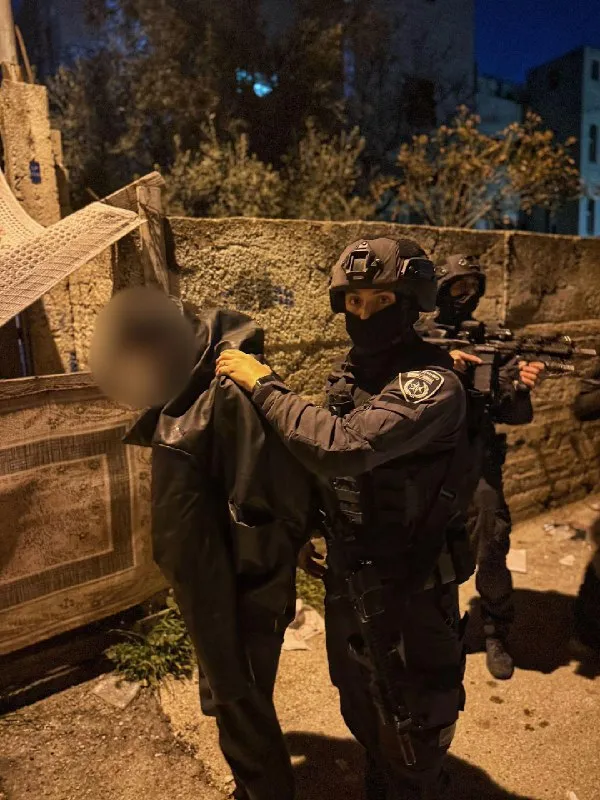
أظهرت لقطات فيديو نُشرت الأحد قيام ضباط مكافحة الإرهاب بتنفيذ مداهمة في وسط رام الله لاعتقال المشتبه به. ووفقًا للتحقيق، زعم المشتبه به أنه انتحل صفة مقيم إسرائيلي في شمال إسرائيل وتواصل مع بائعين على منصات مثل “ياد2″، وهي أكبر منصة للإعلانات المبوبة والأسواق عبر الإنترنت في إسرائيل، شبيهة بـ Craigslist أو eBay. بعد عرضه شراء سلع عالية القيمة وموافقة على السعر، أرسل تأكيدات مزورة لتحويلات بنكية.
اعتقد الضحايا أنهم تلقوا الأموال، فسلموا البضائع، التي تم جمعها بواسطة سيارة أجرة ونقلها إلى مركبة أخرى – غالبًا بالقرب من مستوطنة بيت آرييه في منطقة بنيامين الإسرائيلية – قبل تسليمها إلى منزل المشتبه به في رام الله.
بحلول الوقت الذي أدرك فيه الضحايا أن المدفوعات كانت وهمية، لم يعد بالإمكان استعادة المنتجات. وقالت الشرطة إنه تم تقديم حوالي 100 شكوى بين عامي 2024 و 2025، ويُقدر إجمالي الاحتيال المزعوم بحوالي 3 ملايين شيقل.
خلال المداهمة، صادر المسؤولون أدلة سيتم فحصها كجزء من التحقيق المستمر. وقد مددت المحكمة اعتقال المشتبه به حتى يوم الأربعاء، بينما تواصل الشرطة التحقيق في شركاء محتملين والطرق المستخدمة في عملية الاحتيال.
اعتقل رئيس ديوان رئيس الوزراء الإسرائيلي بنيامين نتنياهو، تزاتشي برافرمان، من قبل وحدة "لاهف 433" الإسرائيلية، للاشتباه في عرقلته تحقيقاً بشأن وثائق عسكرية مسربة من عام 2024.
بقلم بيساخ بنسون • 11 يناير 2026
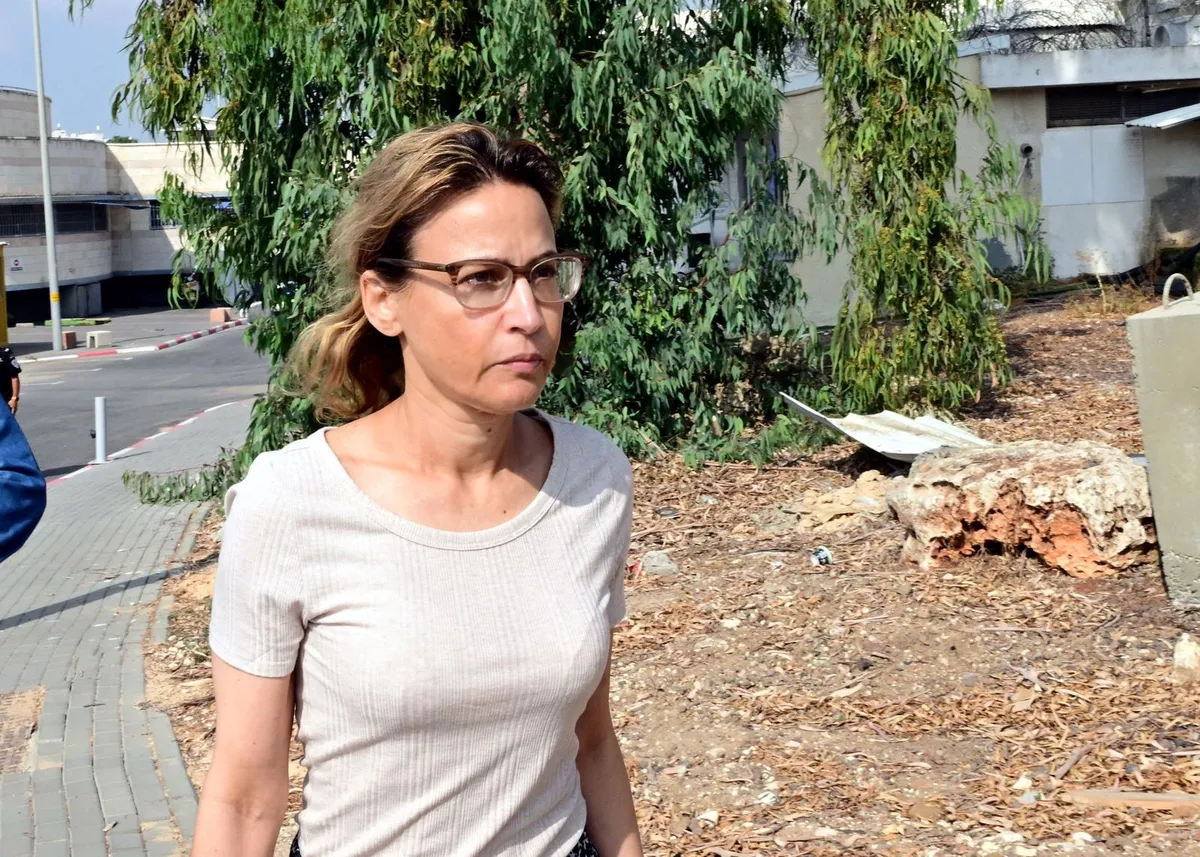
القدس، 11 يناير 2026 (TPS-IL) — تم احتجاز تساتشي برافرمان، كبير موظفي رئيس الوزراء الإسرائيلي بنيامين نتنياهو والسفير الإسرائيلي المعين لدى المملكة المتحدة، صباح الأحد لاستجوابه من قبل الشرطة. ويشتبه في محاولته عرقلة تحقيق في تسريب معلومات استخباراتية عسكرية إسرائيلية سرية إلى صحيفة “بيلد” الألمانية.
وقالت الشرطة في بيان: “صباح اليوم، تم احتجاز مسؤول كبير في مكتب رئيس الوزراء من قبل ضباط وحدة لاهف 433 للاشتباه في عرقلة إجراءات التحقيق”. ولم يحدد الإعلان هوية الشخص الذي يتم استجوابه؛ وأفادت تقارير إعلامية إسرائيلية أن برافرمان هو المعني. وحدة لاهف 433 التابعة لقسم الشرطة – والتي توصف أحيانًا بأنها “مكتب التحقيقات الفيدرالي الإسرائيلي” – تتعامل مع الجرائم المنظمة والفساد والتحقيقات الوطنية الحساسة على أعلى مستوى في البلاد، وهي تستجوبه.
يرتبط التحقيق بتسريب عام 2024 تم فيه نشر وثيقة عسكرية إسرائيلية سرية تفصل موقف حماس بشأن مفاوضات الرهائن في الخارج. عزز هذا التسريب موقف نتنياهو بأن الضغط العسكري، بدلاً من المفاوضات الدبلوماسية، سيؤمن الإفراج عن الرهائن المحتجزين في غزة.
عاد القضية إلى الواجهة بعد أن صرح إيلي فيلشتاين، المتحدث السابق باسم نتنياهو، علنًا بأن برافرمان حذره من تحقيق عسكري قبل أشهر من أن يصبح علنيًا. وادعى فيلشتاين أن برافرمان قرأ له أسماء المسؤولين قيد التدقيق وأشار إلى أنه يمكنه “إسكات” التحقيق.
وقال فيلشتاين في مقابلة تلفزيونية على قناة كان 11: “قال لي برافرمان إن التحقيق وصل إلى مكتب رئيس الوزراء وقال إنه يمكنه جعله يختفي”. ومن المقرر أيضًا أن يقدم فيلشتاين، الذي يواجه اتهامات بتمرير معلومات سرية وعرقلة سير العدالة، شهادته كجزء من التحقيق المستمر.
تشمل الشخصيات الأخرى المتورطة في القضية ضابط احتياط من شعبة أمن المعلومات في جيش الدفاع الإسرائيلي زود بالوثيقة. وقال المدعون إن نشر هذه المعلومات الاستخباراتية الحساسة في الخارج يمكن أن يعرض العمليات العسكرية الإسرائيلية والأمن القومي للخطر.
يتداخل التحقيق مع فضيحة “قطر جيت” لأن كلاهما يشمل مساعدين سابقين لنتنياهو، بما في ذلك إيلي فيلشتاين، ويتحققان من كيفية استخدام المعلومات الحساسة للتأثير على التغطية الإعلامية خلال صراع إسرائيل وحماس عام 2024، مما يثير تساؤلات حول تدخل محتمل مرتبط بأطراف أجنبية.
كان من المقرر أن يتولى برافرمان منصبه كسفير في لندن في الأشهر المقبلة، لكن المهمة أصبحت الآن غير مؤكدة. رفض مكتب رئيس الوزراء التعليق بما يتجاوز بيانات الشرطة. ودعا زعيم المعارضة يائير لابيد إلى أنه “من غير المقبول أن يمثل شخص مشتبه في تورطه في عرقلة تحقيق أمني خطير إسرائيل في إحدى أهم دول أوروبا”.
وذكرت حركة من أجل الحكم الرشيد أن أي شخص قيد التحقيق في عرقلة سير العدالة “لا يمكنه شغل منصب حساس يتطلب ثقة عامة”.
إسرائيل: لبنان لم يلتزم بتعهداته بوقف إطلاق النار لنزع سلاح حزب الله، وتصف جهود بيروت بأنها "أقل بكثير من المطلوب" للمنطقة.
بقلم بيساش بنسون • 8 يناير 2026
القدس، 8 يناير 2026 (TPS-IL) — إسرائيل ترفض يوم الخميس المزاعم اللبنانية بالتقدم في كبح جماح الجماعات المسلحة في جنوب البلاد، قائلة إن أي خطوات تم اتخاذها حتى الآن لا ترقى إلى مستوى الالتزامات التي تم التعهد بها بموجب وقف إطلاق النار الذي أنهى القتال بين إسرائيل وحزب الله في أواخر العام الماضي.
جاءت هذه الانتقادات عقب بيان صادر عن الجيش اللبناني أكد فيه أنه بسط سيطرة الدولة الحصرية على الأسلحة في جنوب لبنان “بطريقة فعالة وملموسة”. وقال الجيش إن الحملة، التي انطلقت بتوجيه حكومي، قللت من وجود الأسلحة غير الحكومية وستستمر في جهود إزالة الأنفاق والذخائر غير المنفجرة قبل التوسع إلى مناطق أخرى.
ورداً على ذلك، قال مكتب رئيس الوزراء بنيامين نتنياهو إن اتفاق وقف إطلاق النار الذي توسطت فيه الولايات المتحدة لا يترك مجالاً للغموض. وجاء في البيان: “يجب نزع سلاح حزب الله بالكامل”، واصفاً هذا المطلب بأنه “ضروري لأمن إسرائيل ومستقبل لبنان”.
وفي حين أقر مكتب نتنياهو بوجود بعض التحركات من قبل بيروت والجيش اللبناني، إلا أنه قال إن الإجراءات لا تعدو كونها نقطة انطلاق. وقال: “هذه الإجراءات بداية مشجعة، لكنها بعيدة كل البعد عن كونها كافية”، متهماً حزب الله بالعمل على “إعادة التسلح وإعادة بناء بنيته التحتية الإرهابية بدعم إيراني”.
أنهى وقف إطلاق النار في نوفمبر 2024 حوالي عام من الحرب عبر الحدود ونص على أن قوات الأمن اللبنانية الرسمية وحدها هي التي يجوز لها حمل السلاح في المناطق المتاخمة لـ إسرائيل. وتجنب إعلان الجيش اللبناني بشكل ملحوظ تسمية حزب الله، الجماعة الشيعية القوية التي تعمل منذ فترة طويلة في الجنوب وتحتفظ بنفوذ سياسي كبير على مستوى البلاد.
تم اتخاذ قرار بيروت في أغسطس الماضي بالتقدم في خطط نزع السلاح دون موافقة حزب الله، مما أثار الغضب بين مؤيدي الجماعة. وقد رفض قادة حزب الله السياسة علناً، مجادلين بأنها تفيد إسرائيل وتقوض دفاعات لبنان. وأعاد الأمين العام نجيب قاسم تأكيد هذا الموقف الشهر الماضي، قائلاً إن الجماعة لن تتخلى عن أسلحتها “حتى لو اتحد العالم بأسره في حرب ضد لبنان”.
تواصل إسرائيل احتلال خمسة مواقع عسكرية في لبنان وتشن ضربات منتظمة، واصفة هذه الإجراءات بأنها ضرورية لإحباط جهود حزب الله لإعادة التسلح.
احتجزت السلطات الإسرائيلية شاباً يبلغ من العمر 15 عاماً في شمال إسرائيل للاشتباه في انتمائه لتنظيم داعش وتخطيطه لهجوم إرهابي. وعثر المحققون على حزام ناسف.
بقلم بيساخ بنسون • 8 يناير 2026
القدس، 8 يناير 2026 (TPS-IL) — اعتقلت السلطات الإسرائيلية قاصراً يبلغ من العمر 15 عاماً من سكان شمال إسرائيل للاشتباه في أدائه قسم الولاء لتنظيم الدولة الإسلامية وتخطيطه لهجوم إرهابي، وتم رفع السرية عن القضية للنشر يوم الخميس.
ووفقاً لهيئة الأمن الإسرائيلية (الشاباك) والشرطة، كان القاصر على اتصال بعناصر إرهابية في الخارج واتخذ خطوات عملية للتحضير لهجوم. وأثناء التحقيق، عثر المحققون بحوزته على تعليمات مفصلة لصنع حزام ناسف.
كما كشف التحقيق أن المراهق أعرب عن دعمه لهجمات سابقة ضد إسرائيل وأعرب عن أمله في تدمير البلاد. وذكر أنه انخرط في خطاب متطرف يستهدف أفراداً من أديان أخرى، بما في ذلك المسيحيون والمسلمون الذين لا يشاركونه أيديولوجيته.
ومن المتوقع أن تقدم نيابة لواء حيفا لائحة اتهام ضد القاصر يوم الخميس.
وقال الشاباك: “ستواصل هيئة الأمن العام، بالتعاون مع الشرطة الإسرائيلية وجميع أجهزة إنفاذ القانون، التحرك بحزم ضد أي نشاط يعرض أمن دولة إسرائيل للخطر”.
إسرائيل تؤكد زيارة تاريخية لوزير الخارجية غدعون ساعر إلى أرض الصومال، مما يعمق العلاقات الثنائية. أرض الصومال ستفتح سفارة في إسرائيل.
بقلم بيساخ بنسون • 6 يناير 2026
القدس، 6 يناير 2026 (TPS-IL) — أكدت إسرائيل يوم الثلاثاء أن وزير الخارجية غدعون ساعر قام بأول زيارة دبلوماسية رسمية له إلى هرجيسا، عاصمة أرض الصومال، وهي أول زيارة يقوم بها مسؤول إسرائيلي رفيع المستوى منذ اعتراف إسرائيل باستقلال أرض الصومال في ديسمبر.
وقال ساعر للرئيس الصوماليلاندي عبدي رحمن محمد عبد الله في هرجيسا: “نريد بناء صداقة حميمة ليس فقط بين الحكومات – بل أيضاً بين الشعوب: الشعب الإسرائيلي وشعب أرض الصومال. منذ 26 ديسمبر، شهدنا فرحة حقيقية في أرض الصومال، وكذلك في إسرائيل. نحن متحمسون للمشاركة في الرحلة الشجاعة لشعب أرض الصومال من الاستقلال إلى الاعتراف”.
وقال عبد الله لساعِر إن زيارته تعكس “الالتزام المشترك بتحويل هذه العلاقة إلى شراكة منتجة وتطلعية واستراتيجية. تولي أرض الصومال أهمية كبيرة لهذه الشراكة وتتعامل معها بوضوح وهدف. نحن ملتزمون ببناء علاقة استراتيجية مع إسرائيل ستكون مفيدة للجانبين وستستند إلى التعاون في مجالات السياسة والأمن والاقتصاد والتنمية.
كما أعلن عبد الله أنه قبل دعوة رئيس الوزراء بنيامين نتنياهو لزيارة إسرائيل وتعهد بفتح سفارة لأرض الصومال هناك، مع دعم وجود دبلوماسي إسرائيلي دائم في هرجيسا.
تمت الزيارة، التي تمت بدعوة من عبد الله، وتم إبقاؤها سرية في البداية بناءً على طلب مسؤولي الأمن.
وقال ساعر إن إسرائيل وأرض الصومال ستفتحان قريباً سفارتين بشكل متبادل وتعينان سفيرين.
انفصلت أرض الصومال عن الصومال وأعلنت استقلالها في عام 1991. إسرائيل هي أول دولة تعترف بأرض الصومال.
تقع أرض الصومال في القرن الأفريقي، ويقع ساحلها الشمالي مباشرة عبر خليج عدن من اليمن، حيث يسيطر الحوثيون على الأراضي.
يحذر تقرير لمراقب الدولة الإسرائيلي من أن أكثر من 10 آلاف سرير في المستشفيات (56%) تفتقر إلى الحماية من الهجمات الصاروخية، مما يعرض المرضى والموظفين للخطر في جميع أنحاء إسرائيل.
بقلم بيساخ بنسون • 6 يناير 2026
القدس، 6 يناير 2026 (TPS-IL) — أكثر من نصف أسرة المستشفيات في إسرائيل تفتقر إلى الحماية الكافية من هجمات الصواريخ، مما يعرض المرضى والطاقم الطبي لخطر جسيم ويثير شكوكاً حول قدرة النظام الصحي على العمل خلال صراع طويل، وفقاً لتقرير صادر عن مراقب الدولة يوم الثلاثاء جاء مشوباً بانتقادات شديدة.
وجد مراقب الدولة مات عنجل مان أن 56 بالمائة من أسرة المستشفيات العامة — أكثر من 10,000 سرير في 27 مستشفى — إما غير محمية أو تقع في مناطق لا يمكنها تحمل ضربات الصواريخ. عرّف التقرير فجوات الحماية هذه بأنها إخفاقات “تضر بقدرة المستشفيات على حماية حياة المرضى والطاقم الطبي والتمريضي وغيره، فضلاً عن قدرتهم على الحفاظ على استمرارية العلاج والعمل خلال حالات الطوارئ”.
يقوم مراقب الدولة بانتظام بمراجعة استعداد إسرائيل وفعالية السياسات الحكومية. كما أصدر مكتب عنجل مان تدقيقاً حول عدم استعداد المدارس الإسرائيلية للتعلم عن بعد خلال الحرب على الرغم من الدروس المستفادة خلال جائحة كوفيد.
أخذ التدقيق، الذي أجري بين يناير وسبتمبر 2024، طابعاً ملحاً بعد أن ضرب صاروخ باليستي إيراني مركز سوروكا الطبي في بئر السبع في يونيو. على الرغم من إجلاء المرضى قبل ساعات ولم يتم الإبلاغ عن وقوع إصابات، إلا أن الضربة “أضرت بشدة بالاستمرارية الوظيفية للمستشفى وأثرت على قدرته على مواصلة العمل بشكل مستمر وفعال لتقديم الخدمات الطبية الأساسية”، حسبما ذكر التقرير.
وفقاً للنتائج، فإن أوجه القصور تمتد إلى ما هو أبعد من أسرة المرضى. وجد التقرير أن 41 بالمائة من غرف العمليات، و 61 بالمائة من معدات التصوير الطبي، و 43 بالمائة من أسرة العناية المركزة في المستشفيات التي تم فحصها ليست محصنة بشكل كافٍ. في المستشفيات القريبة من حدود إسرائيل مع غزة و لبنان، الوضع أكثر خطورة. هناك، “توجد فجوات حماية كبيرة في المواقع المستخدمة للأنشطة الحيوية”، بما في ذلك 67 بالمائة من أجهزة التصوير وما يقرب من نصف جميع أسرة المستشفيات.
منذ هجوم حماس في 7 أكتوبر 2023، تم إطلاق أكثر من 37,500 صاروخ على الأراضي الإسرائيلية حتى يونيو 2025. خلال الأشهر الأولى للحرب، انخفضت معدلات إشغال المستشفيات بما يتراوح بين 13 و 24 بالمائة، بينما اضطرت بعض المستشفيات القريبة من مناطق النزاع إلى خفض خدمات العيادات الخارجية بنسبة تصل إلى 72 بالمائة.
وُجدت الظروف مقلقة بشكل خاص في المستشفيات النفسية ودور رعاية المسنين، حيث غالباً ما يكون المرضى ذوو قدرة محدودة على الحركة أو صعوبة في فهم التعليمات الطارئة. في منطقة تل أبيب الكبرى، 7 بالمائة فقط من أسرة مرافق الرعاية طويلة الأجل محمية. في أحد المستشفيات النفسية، تم توجيه الموظفين إلى أنه خلال إنذارات الصواريخ، يجب على المرضى “الخروج من أسرتهم والاستلقاء على الأرض”، لعدم توفر مساحات محمية.
في مستشفى نفسي آخر يضم 300 سرير، تم نقل ثلاث أقسام بالكامل إلى مرافق أخرى عند بدء الحرب. تم تركيز المرضى المتبقين في مبنى محصن واحد مصمم لاستيعاب حوالي 200 شخص فقط. وصف التقرير النتيجة بأنها “ازدحام شديد، مصحوب بمخاطر ناجمة عن الحالات النفسية للمرضى والحبس المطول في مساحة مشتركة”.
قال التقرير إن معالجة فجوات الحماية بالكامل ستتطلب ما يقدر بـ 4.8 مليار شيكل (1.52 مليون دولار). ومع ذلك، خصصت الحكومة 500 مليون شيكل فقط (158.2 مليون دولار) لحماية المستشفيات خلال الحرب الحالية — حوالي 10 بالمائة من المبلغ المطلوب. انتقد عنجل مان غياب خطة وطنية شاملة، مشيراً إلى أنه منذ عام 2007، تم التعامل مع تحصين المستشفيات من خلال “برامج جزئية ومحددة النقاط لا توفر استجابة كافية لفجوات الحماية الكبيرة”.
شدد التقرير على أن حماية المستشفيات أمر حيوي ليس فقط لرعاية المدنيين ولكن أيضاً للأمن القومي، محذراً من أن الفشل في القيام بذلك قد “يضر بمرونة الجبهة الداخلية والقدرة القتالية في المقدمة”، حيث يعتمد الجنود المصابون على نفس البنية التحتية الطبية.
دعا عنجل مان الحكومة إلى اعتماد خطة وطنية متعددة السنوات مع تمويل مخصص وأولويات واضحة، محذراً من أنه بدونها، “ستكون قدرة العديد من المستشفيات على مواصلة تقديم الخدمات الطبية للسكان خلال حرب طويلة ومتعددة الجبهات محدودة”.